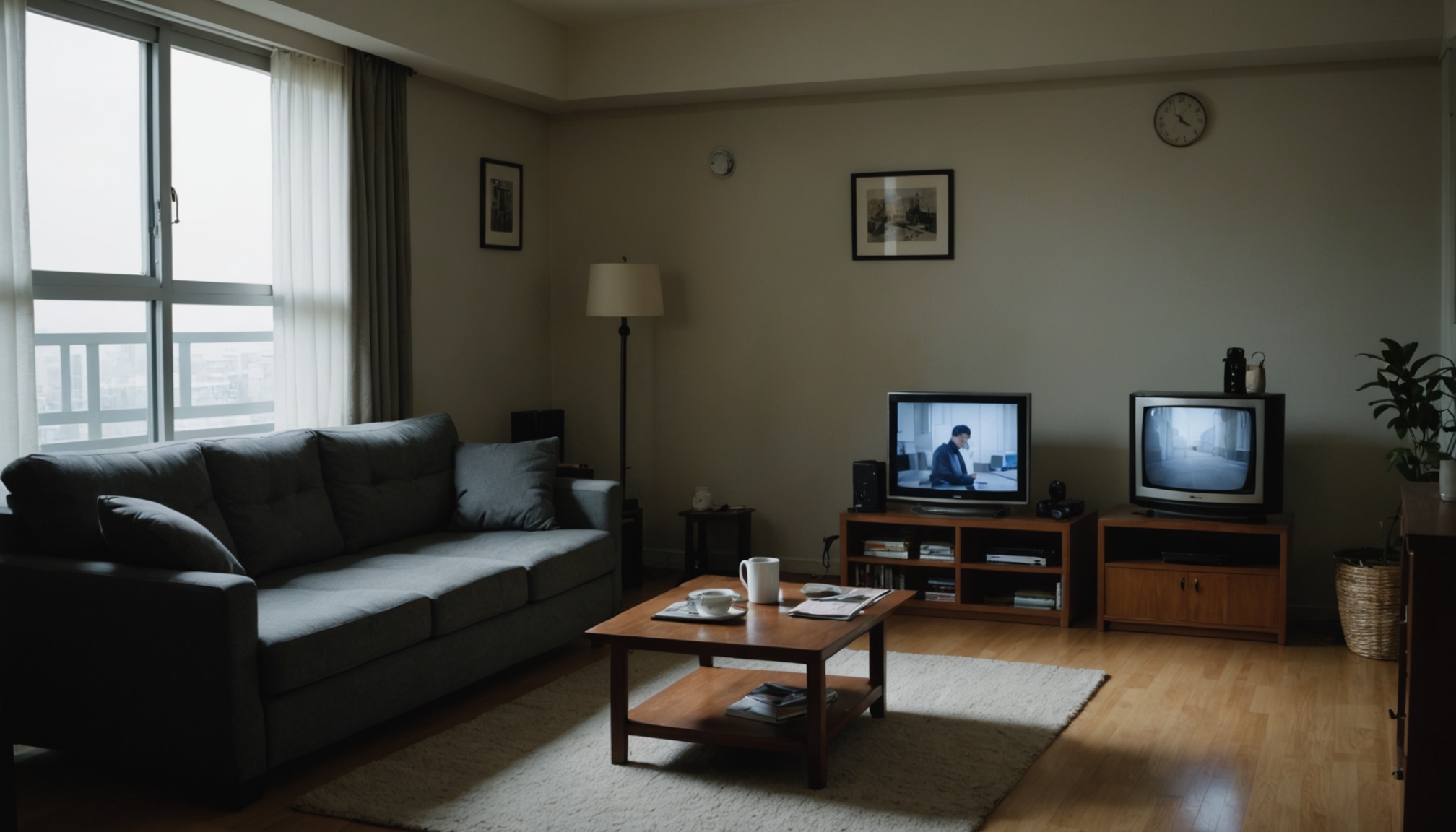
TV Viewing Distance: Why 55-Inch Means 1.7m and 65-Inch Means 2.0m
The recommended TV viewing distance is the screen diagonal times 1.2. Here is where that multiplier comes from, and how to reverse it into a maximum screen size.
The recommended TV viewing distance is the screen diagonal times 1.2. Here is where that multiplier comes from, and how to reverse it into a maximum screen size.
Getting 4K 120Hz from a laptop to a TV depends on the ports at both ends, not just the cable. Calculating bandwidth per resolution shows exactly where 18Gbps and 48Gbps diverge.
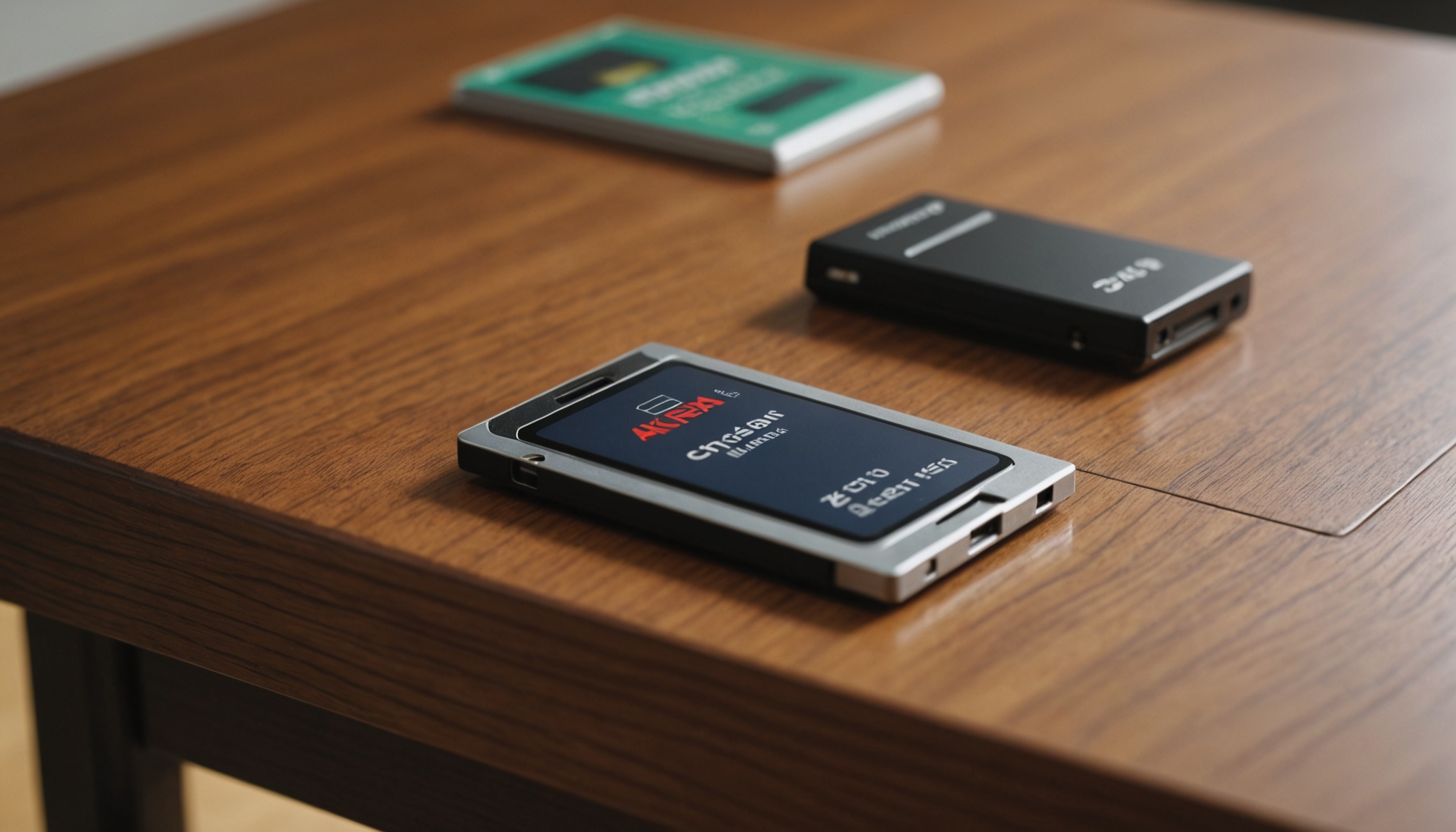
V30 and U3 mean the same 30MB/s floor, A2 measures IOPS rather than speed, and the EX mark is a different interface entirely. Here is what each symbol guarantees, with the required grade back-calculated from video bitrates.
DisplayHDR 400 requires no local dimming and allows a black level of 0.4 nits. Divide the certified numbers and the guaranteed floor is just 1,000:1 — while True Black 400 reaches 800,000:1.
Dolby Vision carries up to 12-bit depth with per-scene dynamic metadata; HDR10 uses 10-bit with a single fixed value for the whole title. In displayable colours that is 68.7 billion against 1.07 billion — 64 times apart.
Multiply the screen diagonal in inches by 4.13 for the recommended distance in centimetres. A 65-inch set wants 268cm at the SMPTE standard and 198cm at the immersive one — which is why the same 2.7m room justifies either 65 or 89 inches.
Required dehumidifier capacity starts at floor area in pyeong times 0.76 L for apartments. Rated extraction is measured at 27C and 60% relative humidity over 24 hours, so a unit rated at 30C and 80% drops to roughly 70% under Korean conditions.
Qi2 25W is the brand name for Qi v2.2.1, lifting the ceiling from 15W to 25W. But that number only appears when the charger, wall adapter, case and phone all line up.
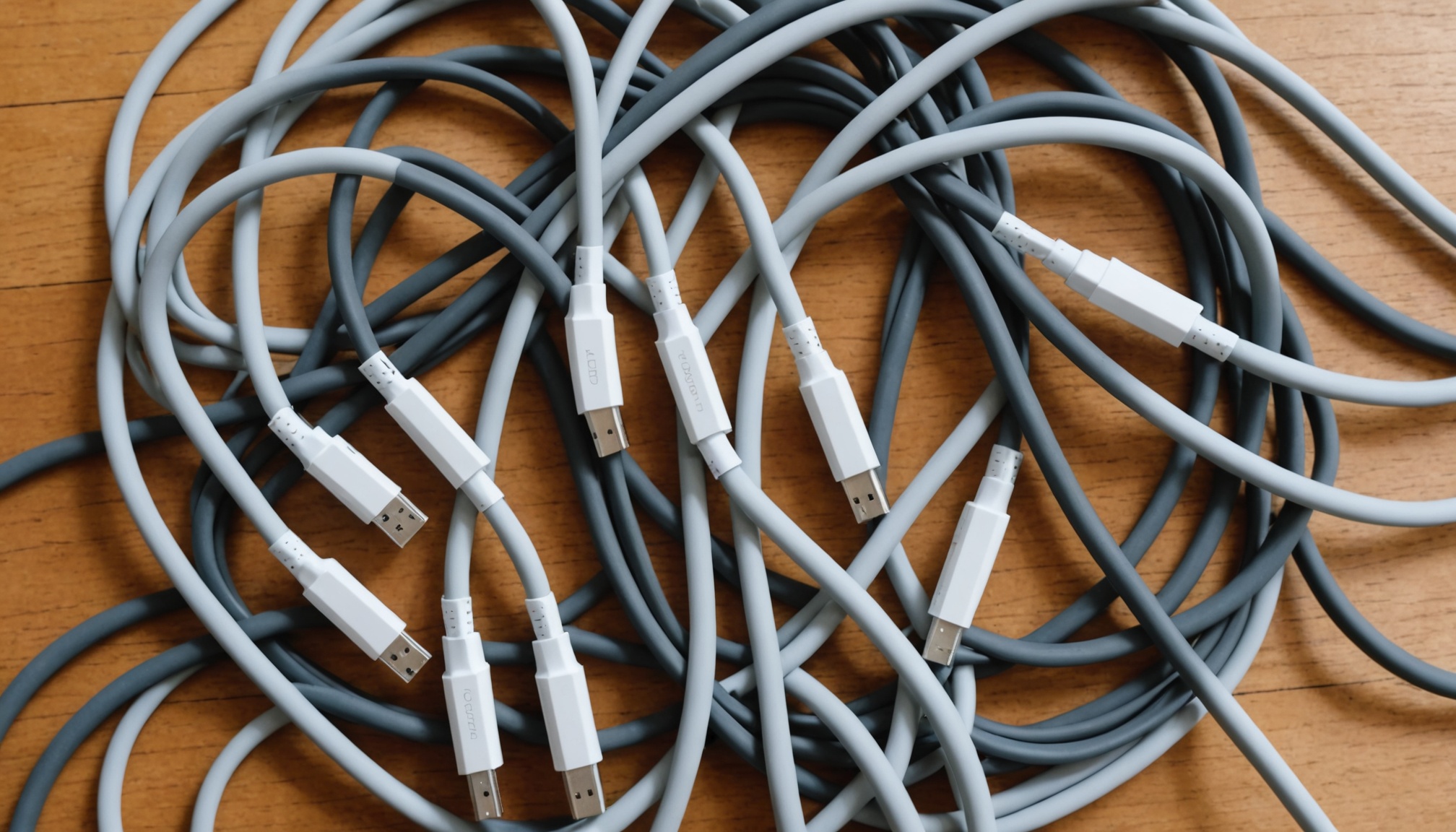
A USB-C cable rated for 240W can still cap out at 480Mbps for data. Power ratings and data ratings are separate specifications carried by separate wires. Here is how to read e-marker requirements, speed tiers and length limits.
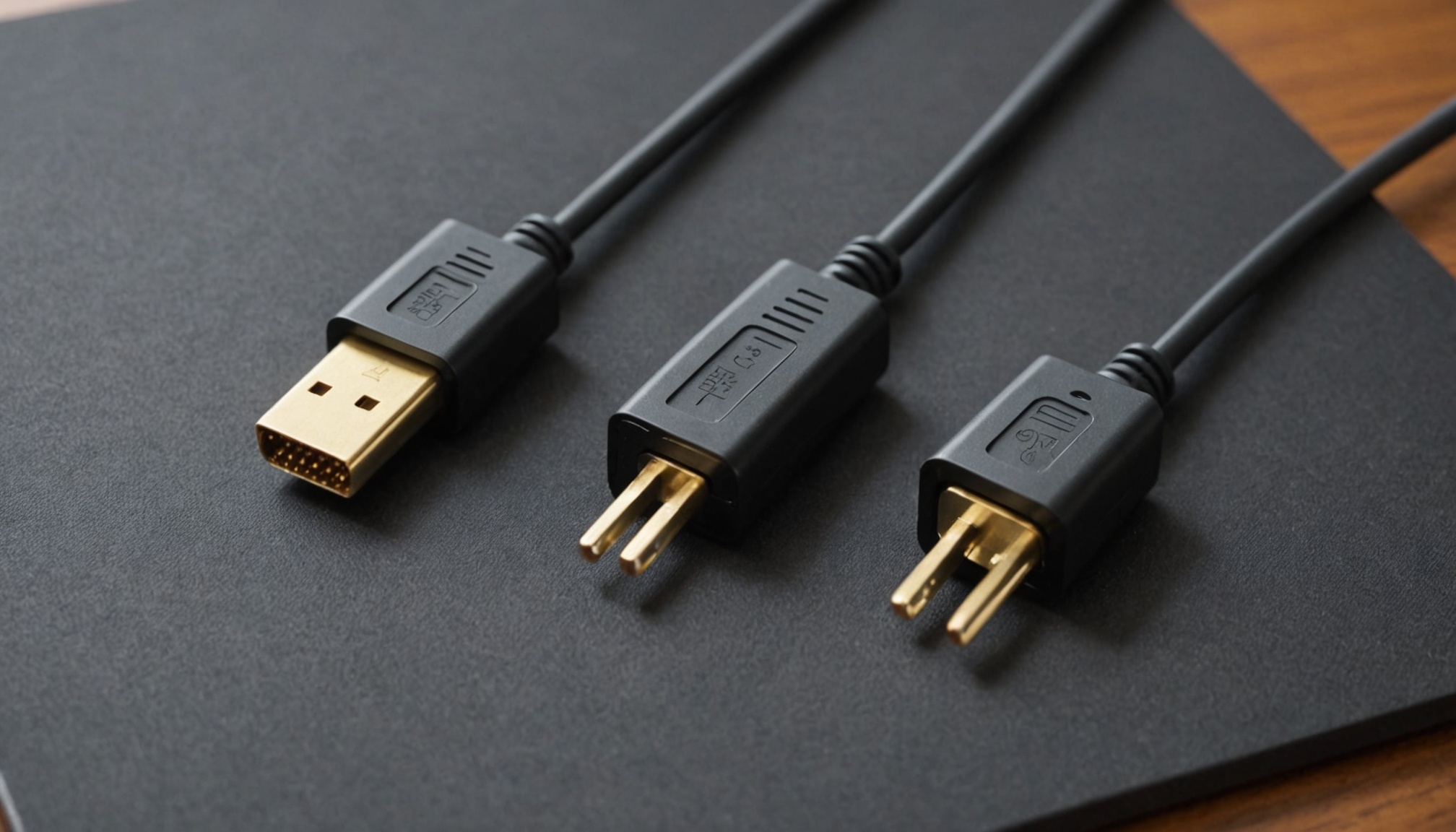
HDMI 2.1's 48Gbps shrinks to 42.6Gbps once encoding overhead is stripped out. Here is the bandwidth 4K 240Hz at 10-bit really demands, calculated line by line against every standard.