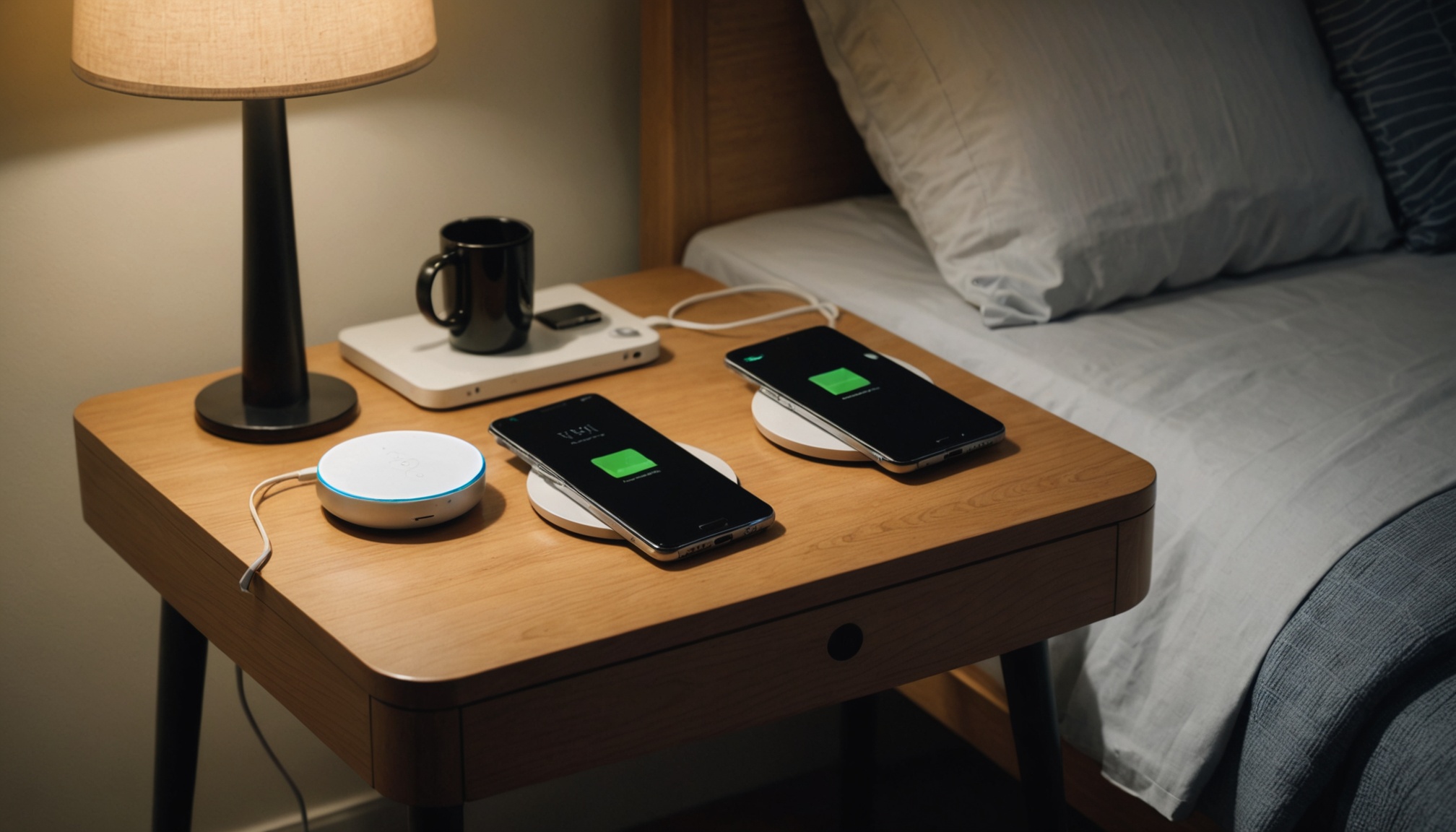
Qi2 25W is not a new standard so much as a brand name attached to Qi v2.2.1. The power ceiling moves from Qi2's 15W to 25W, and the Wireless Power Consortium quotes 0 to 50% in 30 minutes as the headline figure — roughly 67% more power than the original Qi2.
The catch is that 25W is a conditional number. Get any one of four things wrong — charger certification tier, wall adapter rating, case type, or device support — and real output drops to 15W or below. Working from published specifications, here is each condition in turn.
What Changed From 15W
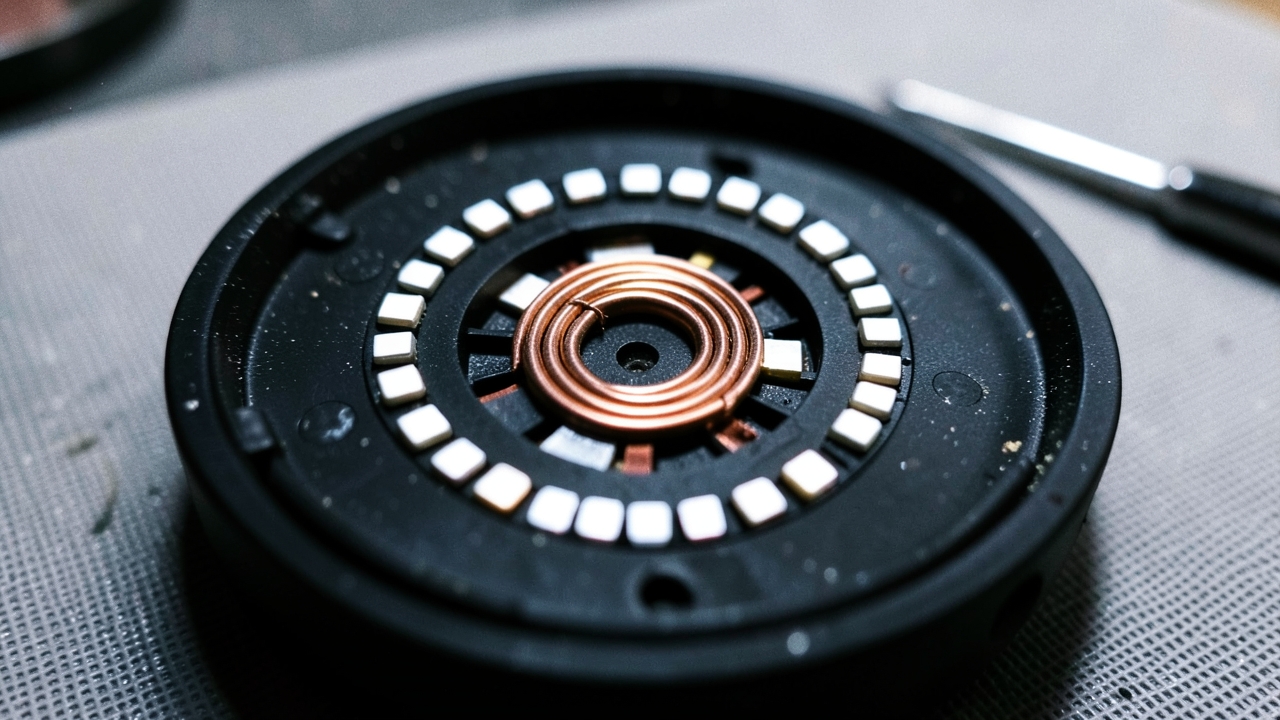
Structurally, very little. The magnetic ring that aligns the coils, the open-standard licensing model, and support across both Android and iOS all carry over unchanged from Qi2. What moved is the power ceiling.
| Item | Qi2 (15W) | Qi2 25W |
|---|---|---|
| Specification version | Qi v2.2 | Qi v2.2.1 |
| Maximum output (W) | 15 | 25 |
| Announced | 2023 | July 2025 |
| Magnetic alignment | Yes | Yes |
| Platforms | Android · iOS | Android · iOS |
| 0-50% (vendor figure) | Not published | 30 minutes |
Certification is not a formality. Belkin states that Qi2 25W approval requires passing 691 test cases. By WPC's own count, more than 1,200 Qi2 and Qi2 25W devices were certified during 2025 alone.
Backward compatibility runs both ways. A Qi2 25W charger will power older Qi2 and Qi devices, but caps Qi2.0 hardware at 15W. Conversely, placing a Qi 2.2 phone on an existing Qi2 pad works fine — it just stays pinned at 15W.
25W is a ceiling, not a default. It only appears when charger, adapter, case and phone all align.
When Does 25W Actually Appear?
Laying the four conditions side by side makes the bottleneck obvious. The table combines published vendor specifications with WPC certification criteria.
| Condition | Requirement | If unmet |
|---|---|---|
| Charger tier | Qi2 25W (Qi v2.2.1) certified | A Qi2 15W pad caps at 15W |
| Wall adapter | 45W or higher, PPS 20V (Samsung spec) | Negotiation fails, power steps down |
| Case | Qi2 Ready certified case (Galaxy) | No magnetic alignment, falls back to coil hunting |
| Device | Qi2 25W support (iPhone 16 or later, Galaxy S25 or later) | Negotiates the Qi2.0 profile at 15W |
The third row is the real trap for Galaxy owners. iPhones carry the magnet array in the chassis; Samsung requires a Qi2 Ready certified case for alignment to work at all. Remove the case, or use an uncertified one, and you are back to nudging the phone around the pad.
Alignment precision translates directly into speed. Industry material puts magnetic alignment tolerance around ±0.5mm and credits it with up to a 40% improvement in charging efficiency. The magnets are not there to hold the phone; they are there to centre the coil.
Why the Adapter Has to Be 45W
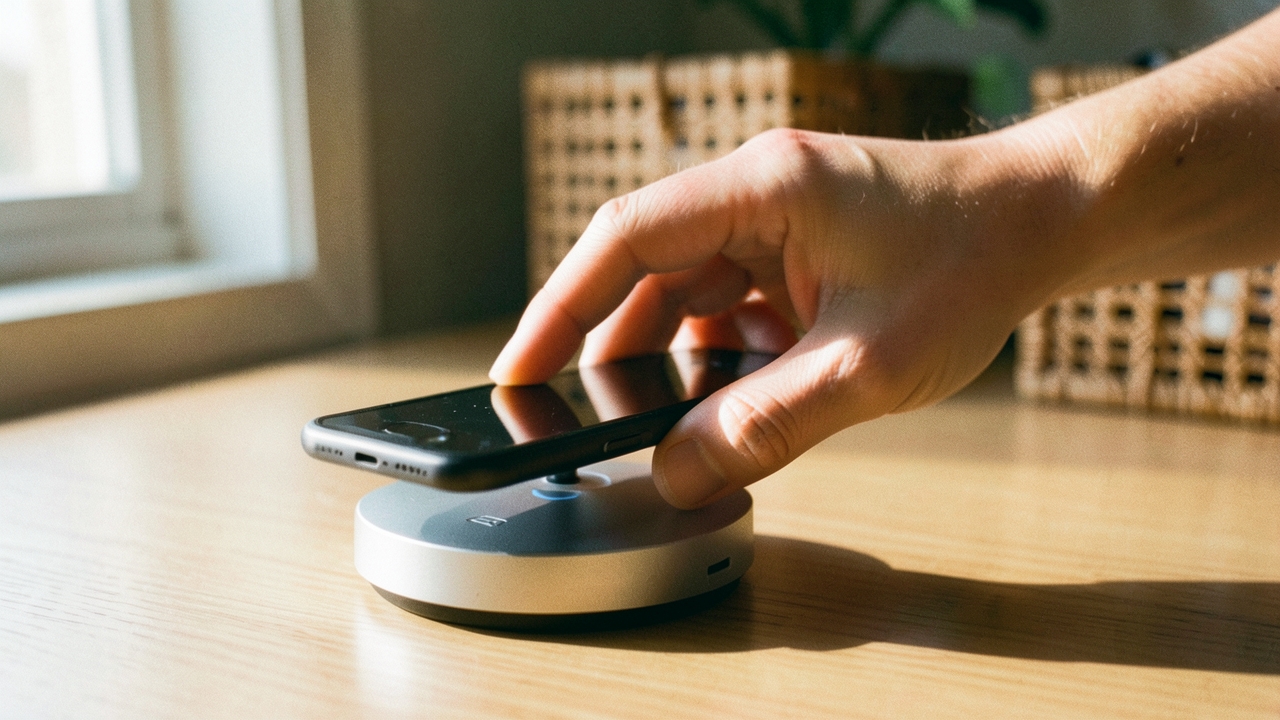
This is where spec sheets are most often misread. Samsung's magnetic wireless charger (EP-P2900) lists 25W wireless output alongside a requirement for a 45W-or-higher PPS 20V adapter. Barely half the rated input crosses over as wireless output.
25W out of a 45W rating is 55.6%. The remaining 20W disappears into conversion losses inside the charger and heat in the air gap between coils. For contrast, Apple's USB-C MagSafe charger delivers 25W paired with a 30W adapter — the same wireless figure, but an 83.3% ratio against its rated input.
Neither ratio proves one design superior. How much headroom a vendor builds into its stated adapter requirement is a judgement call. What it does prove is that buying the charger without budgeting for the adapter leaves 25W as a number on paper. The reason PPS support matters here mirrors the voltage negotiation logic covered in the USB PD charger guide.
Converting Output Into Time-to-50%
Taking WPC's 25W-in-30-minutes as the anchor and assuming time scales inversely with power gives the following. Real charging curves flatten as the battery fills, so treat these as an upper bound rather than a forecast.
| Wireless output (W) | Converted 0-50% time (min) | Multiple vs 25W |
|---|---|---|
| 25 | 30 | 1.00 |
| 15 | 50 | 1.67 |
| 10 | 75 | 2.50 |
| 7.5 | 100 | 3.33 |
| 5 | 150 | 5.00 |
Shipping products land inside that range. Samsung quotes 33 minutes to 50% for the Galaxy S26 Ultra on the same 25W charger — three minutes off WPC's reference figure, which is what you would expect from a larger cell drawing the same power. A battery further into its service life will stretch it further still, which is where the 800-cycle, 80% retention benchmark starts to matter.
Strengths and Weaknesses on Paper
- Ceiling rises from 15W to 25W, about 67% more power on spec
- Magnetic alignment structurally removes the speed penalty from poor placement
- Open standard, so the same accessory serves Android and iOS
- Backward compatible with Qi2 and Qi devices at up to 15W
- May require a separate 45W-class PPS adapter, raising real purchase cost
- Galaxy phones need a Qi2 Ready certified case for alignment to work
- Conversion losses mean roughly half the rated input reaches the device
- Embedded magnets require distance from credit cards and medical devices
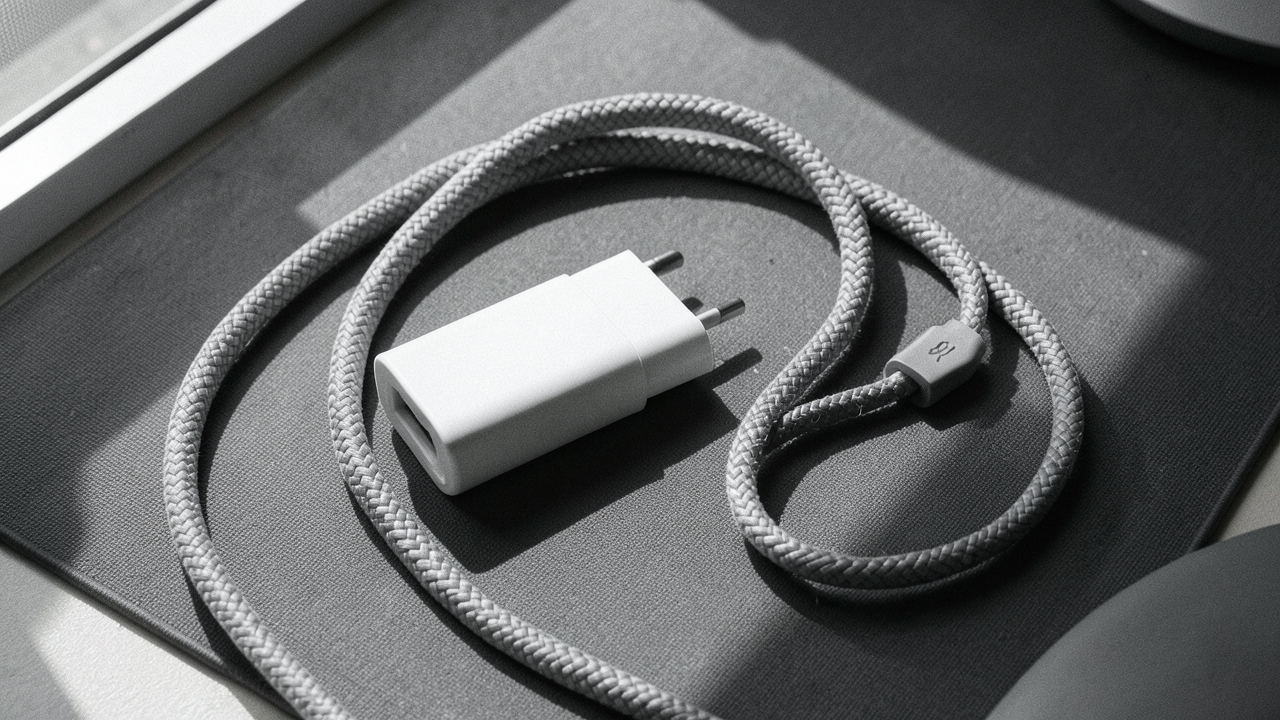
Physical specifications for the Samsung EP-P2900 are 4.4mm thick, a 1.5m fabric cable, and a non-slip surface, with Galaxy Buds charging supported. At 4.4mm it slips into a laptop sleeve pocket, which is a genuine argument for the pad form factor over a stand.

Who It Suits, Who Should Wait
- Suits — owners of an iPhone 16 or later, or a Galaxy S25 or later, who already have a 45W-class PPS adapter. The ceiling is available with no additional spend.
- Suits — anyone using a bedside table or desk where the phone gets set down and picked up many times a day. In that pattern the alignment benefit outweighs the raw power increase.
- Wait — Galaxy owners committed to a thick protective case. Without swapping to a Qi2 Ready certified case, the alignment advantage disappears.
- Wait — anyone on a 25W-class adapter or lower. Replacing only the charger will not produce 25W; the adapter cost belongs in the same calculation.
- Wait — overnight chargers. Thirty minutes versus fifty makes no difference while asleep, and Qi2 15W products carry a meaningful price advantage.
- Check — product pages distinguish between "Qi2 certified" and "Qi2 25W certified." The former may be a 15W cap.