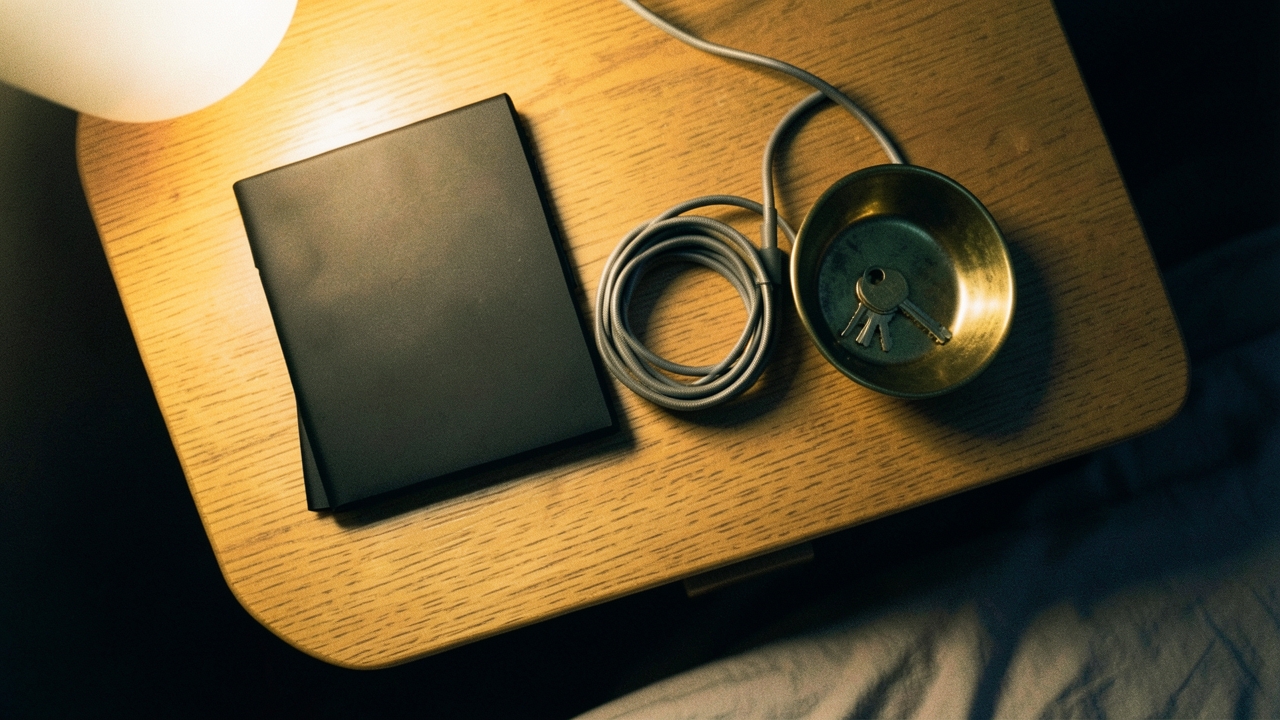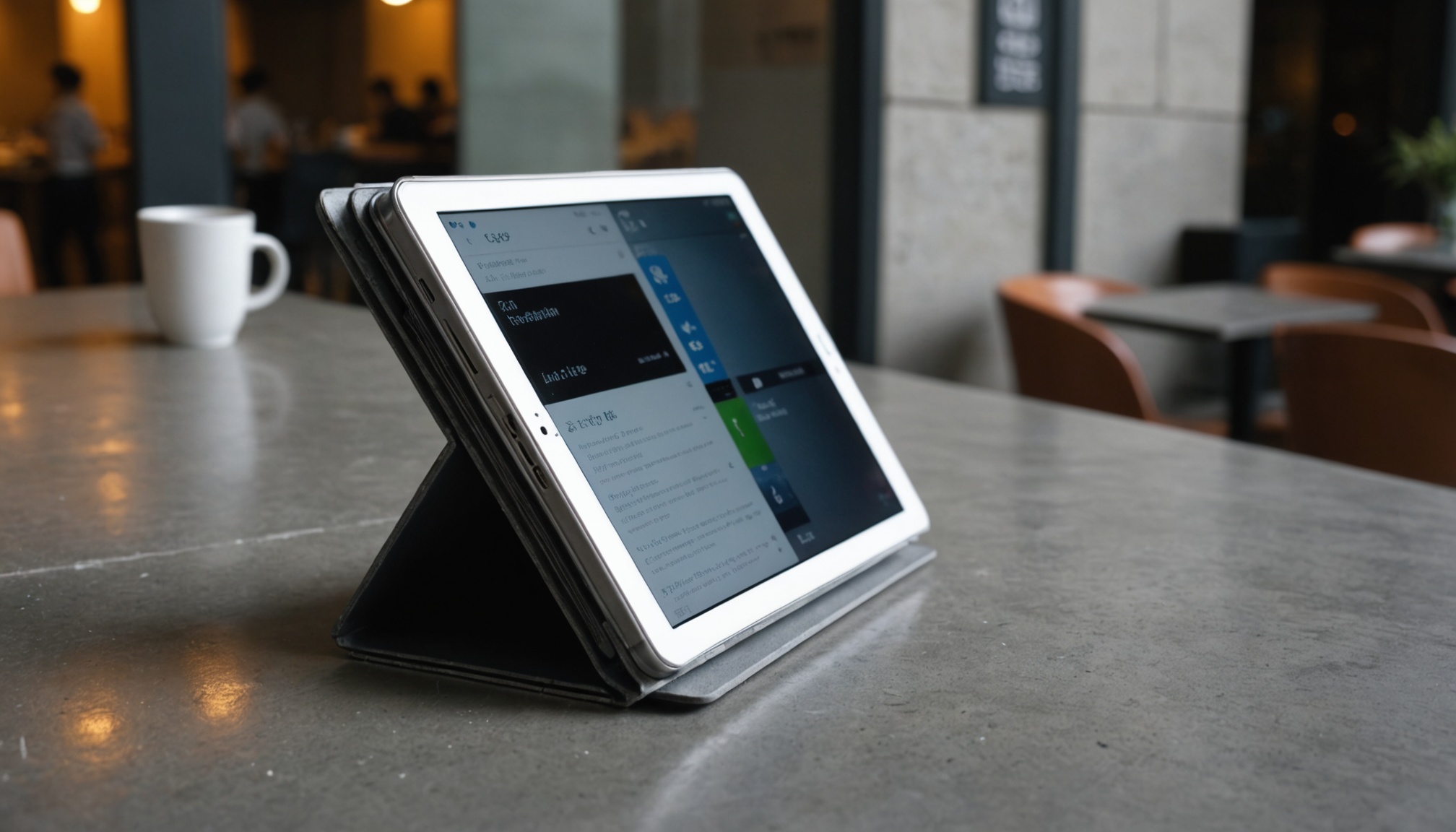
The 256GB launch prices of the Galaxy Z Fold8 and the Fold8 Ultra differ by 299,200 won. Per Solution News, the Fold8 lists at 2,278,100 won and the Fold8 Ultra at 2,577,300 won. Judged strictly on published specifications, that gap buys 9.9mm more main-display diagonal, 0.4mm less unfolded thickness, 200mAh more battery, and four times the wide-camera pixel count. It also costs 14g in added weight. The question is not which is the better device but whether that exchange rate holds for a given usage pattern.
The Published Specs, Side by Side
Restricting the comparison to figures posted on Samsung's official spec page and its two-model comparison page, the shared items are the Snapdragon 8 Elite Gen 5 processor, 120Hz refresh rate, 3,000-nit peak brightness, IP48 rating, and 45W wired charging.
| Item | Fold8 | Fold8 Ultra |
|---|---|---|
| Main display (diagonal) | 193.2mm (7.6 in) | 203.1mm (8 in) |
| Cover display (diagonal) | 138.4mm | 164.8mm |
| Unfolded thickness (mm) | 4.5 | 4.1 |
| Folded thickness (mm) | 9.7 | 8.9 |
| Weight (g) | 201 | 215 |
| Rear cameras (MP) | 50 + 50 | 200 + 50 + 10 (3x tele) |
| Battery (mAh) | 4,800 | 5,000 |
| Video playback (hours) | up to 26 | up to 27 |
| 256GB price (KRW) | 2,278,100 | 2,577,300 |
The aspect ratios differ. Using the resolutions compiled by ZDNet Korea, the Fold8 main panel is 2448×1848 — close to 4:3 — while the Ultra's is 2504×2256, closer to 3:2. That ratio difference shapes the usable canvas more than the 9.9mm diagonal gap does.
Why Folded Thickness Isn't Double the Unfolded Figure
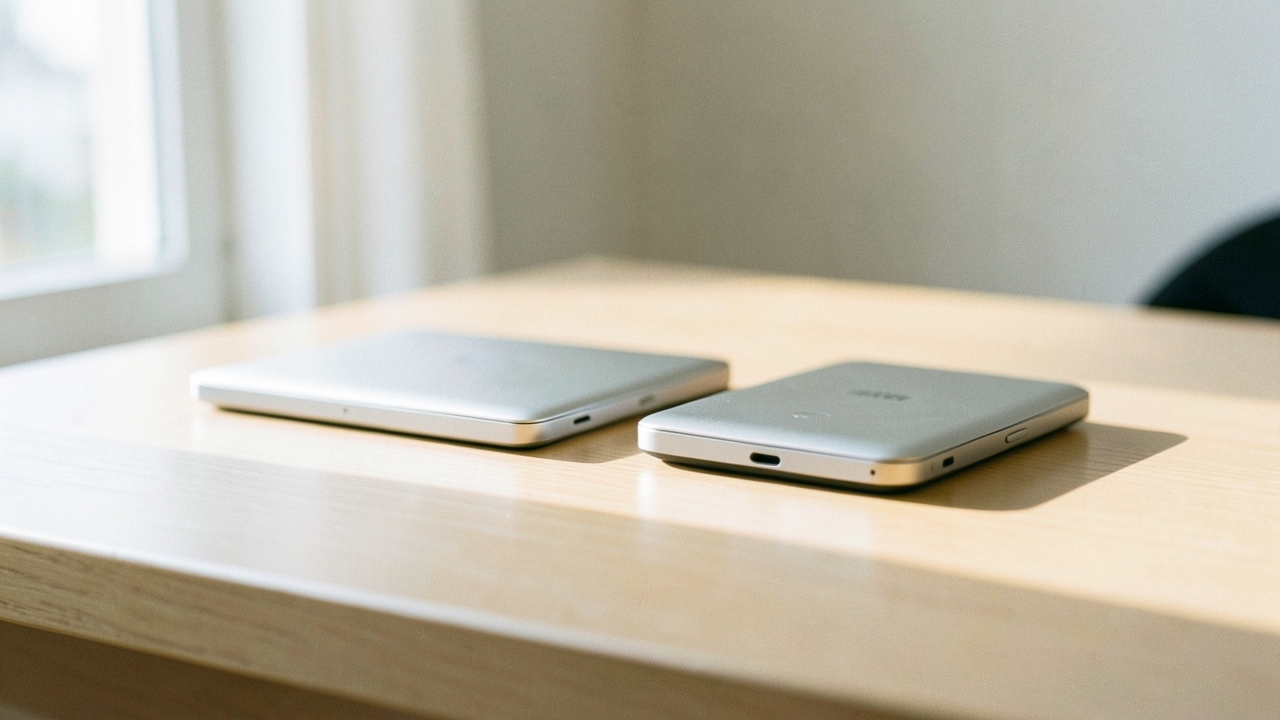
This is the most frequently misread line on a foldable spec sheet. Double the unfolded thickness, subtract it from the folded figure, and both models leave exactly the same remainder.
| Calculation | Fold8 | Fold8 Ultra |
|---|---|---|
| Unfolded thickness × 2 (mm) | 9.0 | 8.2 |
| Actual folded thickness (mm) | 9.7 | 8.9 |
| Remainder = hinge and gap (mm) | 0.7 | 0.7 |
| Battery per gram (mAh/g) | 23.9 | 23.3 |
| Battery per hour of video (mAh) | 184.6 | 185.2 |
An identical 0.7mm on both models suggests the fold mechanism and screen protection stack belong to the same generation. The Ultra is thinner not because its hinge folds more tightly but because the body itself is 0.4mm slimmer when open.
Battery density actually favors the Fold8. The Ultra adds 200mAh (4.2%) but 14g (7.0%), so capacity per gram falls from 23.9mAh to 23.3mAh. Expressed as consumption per hour of video playback, the two land at 184.6mAh and 185.2mAh — effectively identical. Most of the larger battery went to feeding the larger screen.
Where the 299,200 Won Went
Breaking the 256GB price gap down by line item reveals the center of gravity. Ratios like 30,222 won per additional millimeter of main-display diagonal are not meaningful on their own, but they set a baseline for judging which item grew enough to justify the premium.
| Item | Change | Percent |
|---|---|---|
| Main diagonal | +9.9mm | +5.1% |
| Cover diagonal | +26.4mm | +19.1% |
| Unfolded thickness | -0.4mm | -8.9% |
| Weight | +14g | +7.0% |
| Battery | +200mAh | +4.2% |
| Wide-camera pixels | +150MP | +300% |
| 256GB price | +299,200 KRW | +13.1% |
The largest relative moves are pixel count (300%) and cover display (19.1%). Note, though, that a fourfold pixel count is only a twofold gain in linear resolution — and if the sensor bins four pixels into one to output 50MP by default, the final image does not gain 4x in width and height. What genuinely expands is crop headroom and the signal available to combine in low light. The addition of a 3x optical telephoto, absent on the Fold8, is the sharper camera distinction.
The 26.4mm cover-display increase is arguably the most practical change on the list. For anyone who handles a meaningful share of tasks with the device closed, that item outweighs the main panel. For anyone who uses the closed state only to glance at notifications, 19.1% is not a reason to pay.

The Ultra's 299,200 won premium sits in the cover display and the telephoto camera, not the main screen — that diagonal grew only 5.1%.
512GB Fold8 or 256GB Ultra: A 46,200 Won Fork
The choice most buyers actually face is not between the two models but between storage and tier. The Fold8 with 512GB lists at 2,531,100 won — 253,000 won above the 256GB version, and only 46,200 won short of stepping up to the Ultra.
| Configuration | Price (KRW) | Vs. Fold8 256GB |
|---|---|---|
| Fold8 256GB | 2,278,100 | baseline |
| Fold8 512GB | 2,531,100 | +253,000 |
| Ultra 256GB | 2,577,300 | +299,200 |
For 46,200 won more, in other words, the extra 256GB of storage can be traded for 26.4mm of cover display, a telephoto lens, and 0.4mm off the body. Anyone stockpiling original photo and video files on-device is better served by 512GB; anyone offloading to cloud storage gets more from the Ultra at the same budget. Solution News also reported that this generation's prices rose 8–17% over the previous one on memory-chip costs, so promotions such as the pre-order storage doubling can shift where this fork sits.
Who It Fits, and Who Should Wait
- The Ultra fits heavy closed-state use (26.4mm more cover display), a genuine need for optical telephoto, and tolerance for 14g more weight.
- The Fold8 fits one-handed use and weight as priorities, wide and ultra-wide as sufficient cameras, and a preference for spending the same budget on storage.
- Waiting makes sense when the shared items — processor, refresh rate, 3,000 nits, 45W charging, IP48 — account for most of the purchase rationale. In that case promotion terms move total outlay more than the tier gap does.
- On water resistance, both are rated IP48: submersion in 1.5m of fresh water for 30 minutes while stationary.