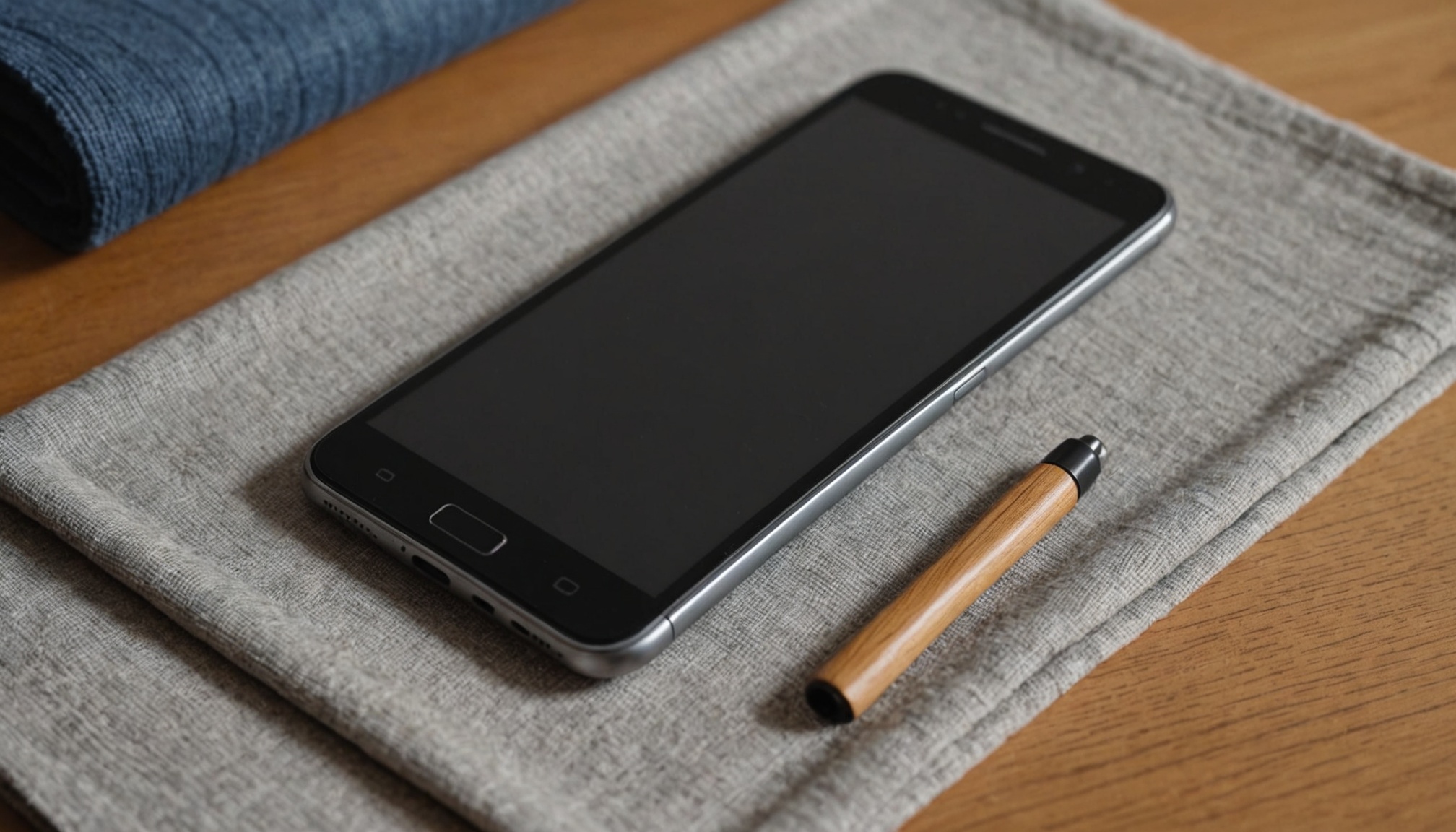
The difference between IP48 and IP68 is dust, not water. The trailing 8 is identical in both; the leading 4 and 6 decide how much solid matter is kept out. And the 8 itself carries no fixed depth. Under IEC 60529, grade 8 means the device can stay submerged under conditions specified by the manufacturer, which is why two phones can both wear IP68 while one is tested to 1.5m and the other to 6m. Three characters are not enough to compare them.
First digit is dust, second is water
The two digits after IP come from separate test programmes: solids for the first, liquids for the second, measured independently. Narrowing it to the range that actually appears on phone spec sheets:
| Position | Grade | Test condition |
|---|---|---|
| First (solids) | 4 | Blocks solids of 1mm or larger — wires, screws, large insects |
| First (solids) | 5 | Some dust may enter but must not affect operation |
| First (solids) | 6 | No dust ingress at all, tested up to 8 hours |
| Second (water) | 6 | Powerful water jets — 100 L/min at 100 kPa |
| Second (water) | 7 | Immersion to 1m for 30 minutes |
| Second (water) | 8 | Continuous immersion under manufacturer-specified conditions |
| Second (water) | 9 | High-pressure hot water cleaning, 80°C at 8–10 MPa |
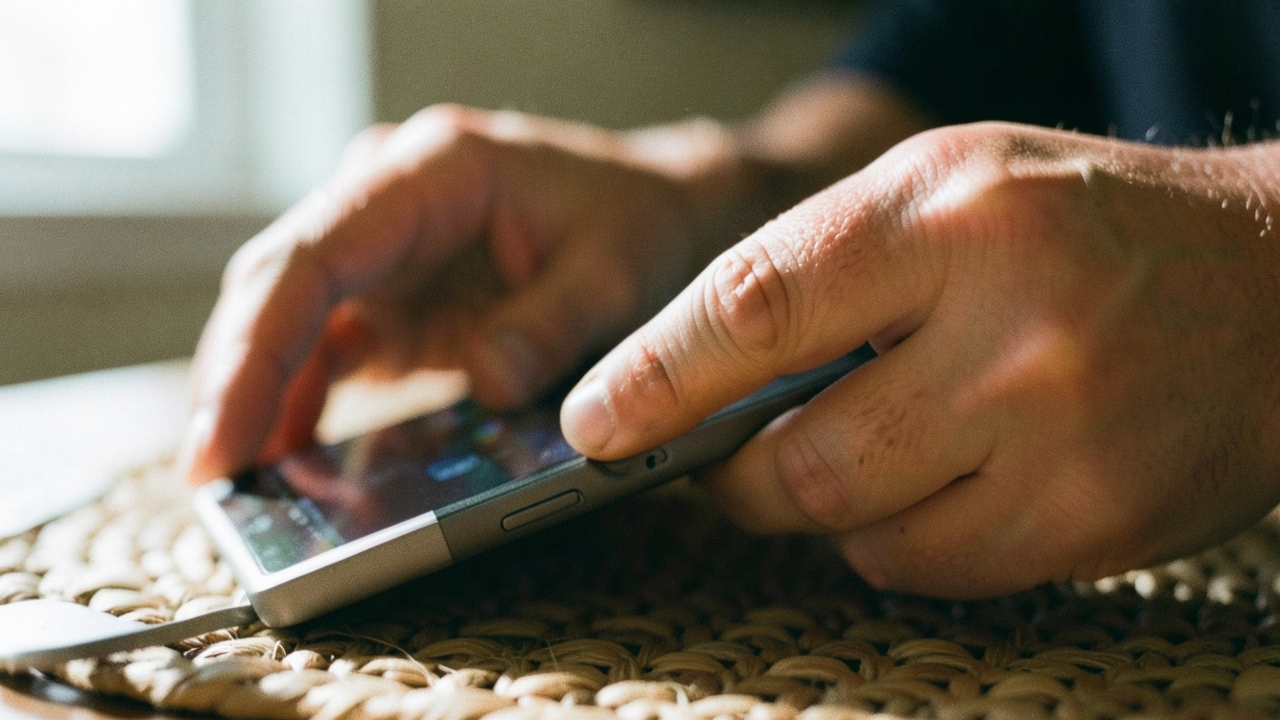
One more point is easy to miss. Grades 7 and 8 are static immersion tests, while 5 and 6 are water jet tests. They are different programmes, so an 8 does not certify resistance to a strong jet. Samsung's own service guidance excludes exposure to high-pressure water from its water-resistance warranty. Rinsing a phone under a shower head is not something the rating covers.
Same IP68, but 6m for Apple and 1.5m for Samsung
Because the manufacturer sets the depth for grade 8, the published figures diverge. Apple lists the iPhone 17 Pro as rated IP68 under IEC 60529 to a maximum depth of 6 metres for up to 30 minutes. Samsung states IPx8 as 1.5 metres for 30 minutes. Identical label, four times the test depth.
| Device | Stated rating | Stated test condition | Fine dust blocked |
|---|---|---|---|
| Galaxy Z Fold8 / Fold8 Ultra | IP48 | Fresh water 1.5m for 30 min, solids over 1mm | Not assured |
| Galaxy Z Flip8 | IP48 | Fresh water 1.5m for 30 min, solids over 1mm | Not assured |
| Samsung bar phones listing IPx8 | IP68 | Fresh water 1.5m for 30 min | Assured (grade 6) |
| iPhone 17 Pro | IP68 | Fresh water 6m for 30 min | Assured (grade 6) |
Judging by published specs alone, Apple leads on stated water depth while only the foldables trail on dust. Two separate axes sit inside one number, which makes "68 beats 48" only half true.
Why foldables stop at 4
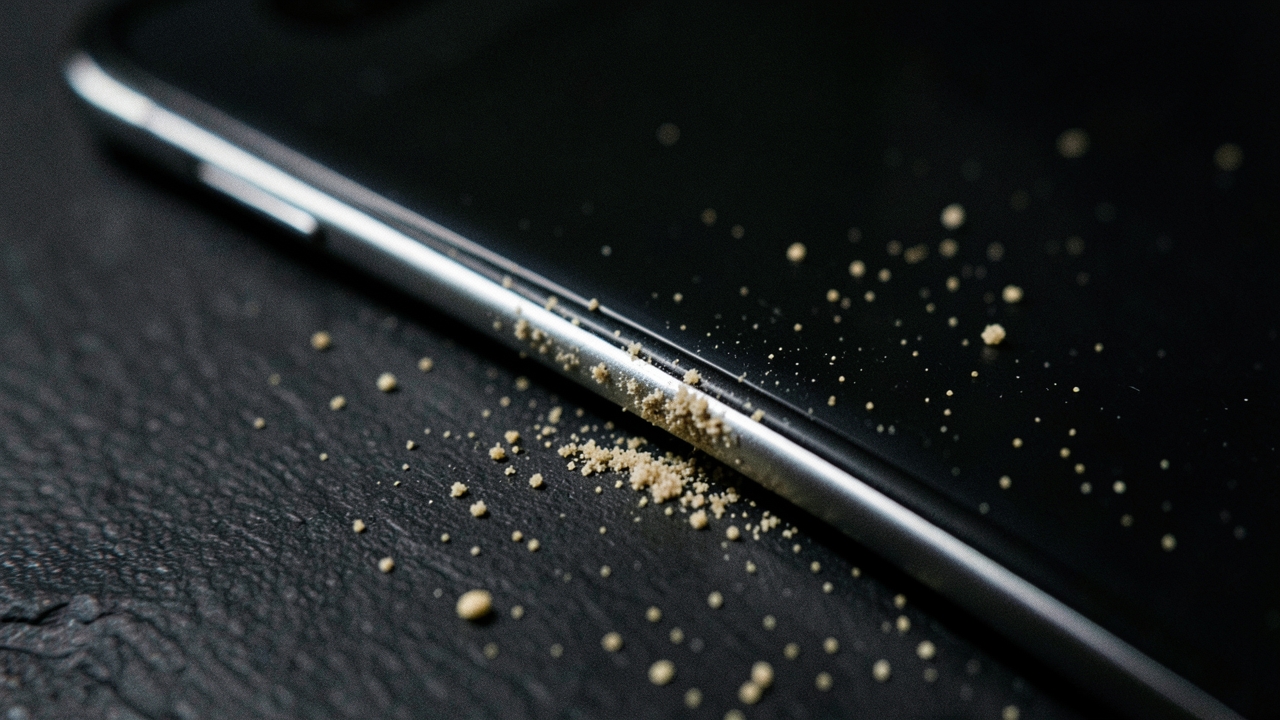
Full dust protection at grade 6 requires no ingress across an eight-hour test. A folding body works against that condition directly: every open and close creates a gap, and sealing the gap costs fold radius and thickness. Samsung's comparison page lists IP48 for the Fold8 and Fold8 Ultra alongside a note that the phones are not resistant to dust or sand. With unfolded thickness down to 4.1mm on the Fold8 Ultra and 4.5mm on the Fold8, a hinge seal at grade 6 has not yet shown up on a spec sheet. The trade-offs between hinge, crease and thickness are laid out in the order in which foldable specs should be read, and the choice between the two Fold8 models is covered in the Ultra versus standard comparison.
How far can an IP48 phone go?
Cross the grade definitions with the manufacturers' own guidance and the verdicts fall out like this. The gap between a rating and a warranty becomes visible at a glance.
| Situation | IP48 (foldable) | IP68 at 1.5m | IP68 at 6m |
|---|---|---|---|
| Rain, everyday splashes | Within test scope | Within test scope | Within test scope |
| Static fresh-water immersion, 1.5m for 30 min | Within test scope | Within test scope | Within test scope |
| Fresh water at 6m | Outside scope | Outside scope | Within test scope |
| Shower head, pressurised jets | Warranty excluded | Warranty excluded | Warranty excluded |
| Beach sand, fine dust | Vulnerable (stated) | Blocked | Blocked |
| Sea water, pool water | Warranty excluded | Warranty excluded | Warranty excluded |
| Soapy water, perfume, sunscreen | Warranty excluded | Warranty excluded | Warranty excluded |
| Sauna, steam room | Warranty excluded | Warranty excluded | Warranty excluded |
Only two of the eight rows actually turn on the rating: the 6m line and the sand-and-dust line. Everywhere else the answer is the same whether the phone says IP68 or IP48.
A bigger number does not mean a tougher phone in water. The one row where IP48 and IP68 genuinely part ways is dust and sand — sea water, soap and saunas sit outside the warranty at every rating.
The rating is not a permanent guarantee
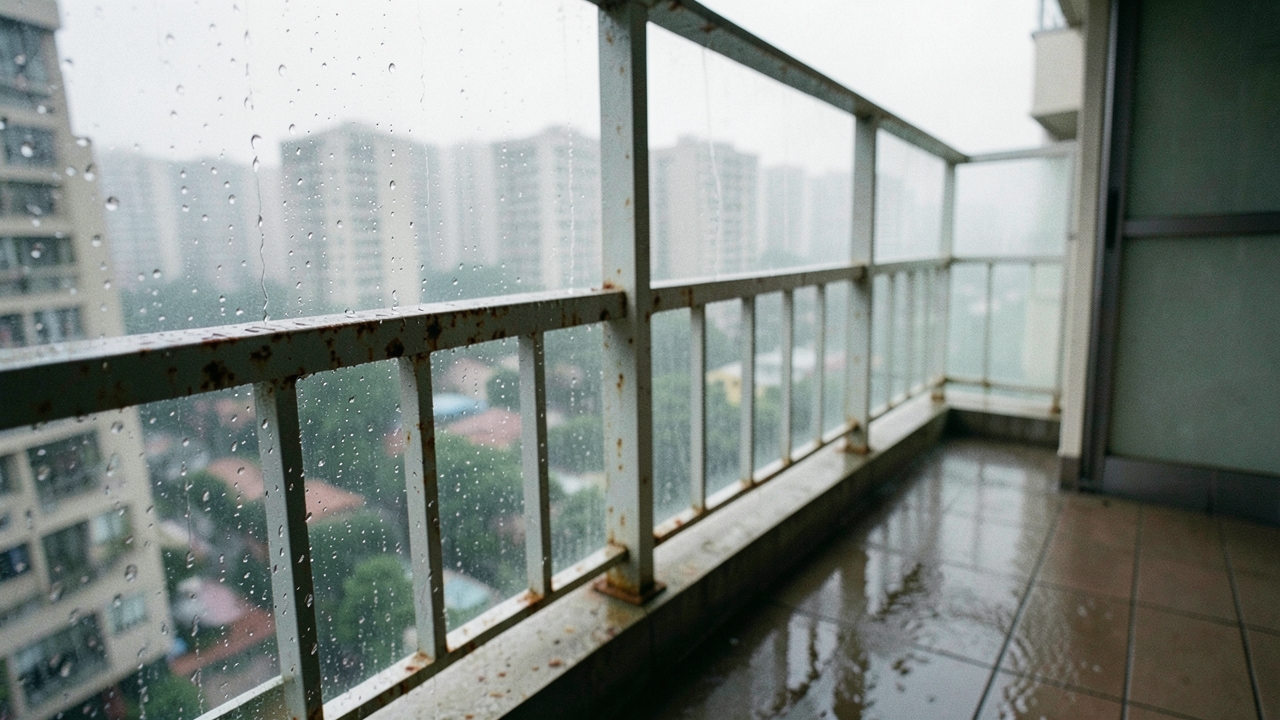
IP testing is done on a factory-fresh unit, in fresh water. Conditions change with time. Samsung's service arm states plainly that natural wear from age and usage environment can weaken water resistance, and Apple notes that resistance is not permanent and liquid damage is not covered by warranty. Deformed rubber gaskets and adhesives, drop impacts, high-heat environments such as saunas, and alcohol- or perfume-based chemicals are the factors identified as eroding the rating in practice. Which is more water-resistant — a year-old IP68 phone or a brand-new IP48 one — is not a question a spec sheet can answer.
Who this fits, and who should wait
- IP48 foldable is enough: indoor, in-car and office use, where the demand on water stops at sudden rain and spilled drinks. Both ratings return the same verdict in that band.
- Reason to pick an IP68 bar phone: beaches, campsites and construction sites, where sand and fine dust are constant. This is the one condition where the rating gap does real work.
- If depth matters to you: 6m and 1.5m are both IP68 with different test conditions, so read the footnote for depth and duration rather than the label.
- Reason to wait: if full dust protection on a foldable is a requirement, no current spec sheet offers it. Holding off until a generation lists a grade-6 hinge seal is the consistent call.
- If you already own one: a waterproof pouch is more reliable than any rating, and not charging while the port is wet is the minimum condition for keeping the warranty intact.