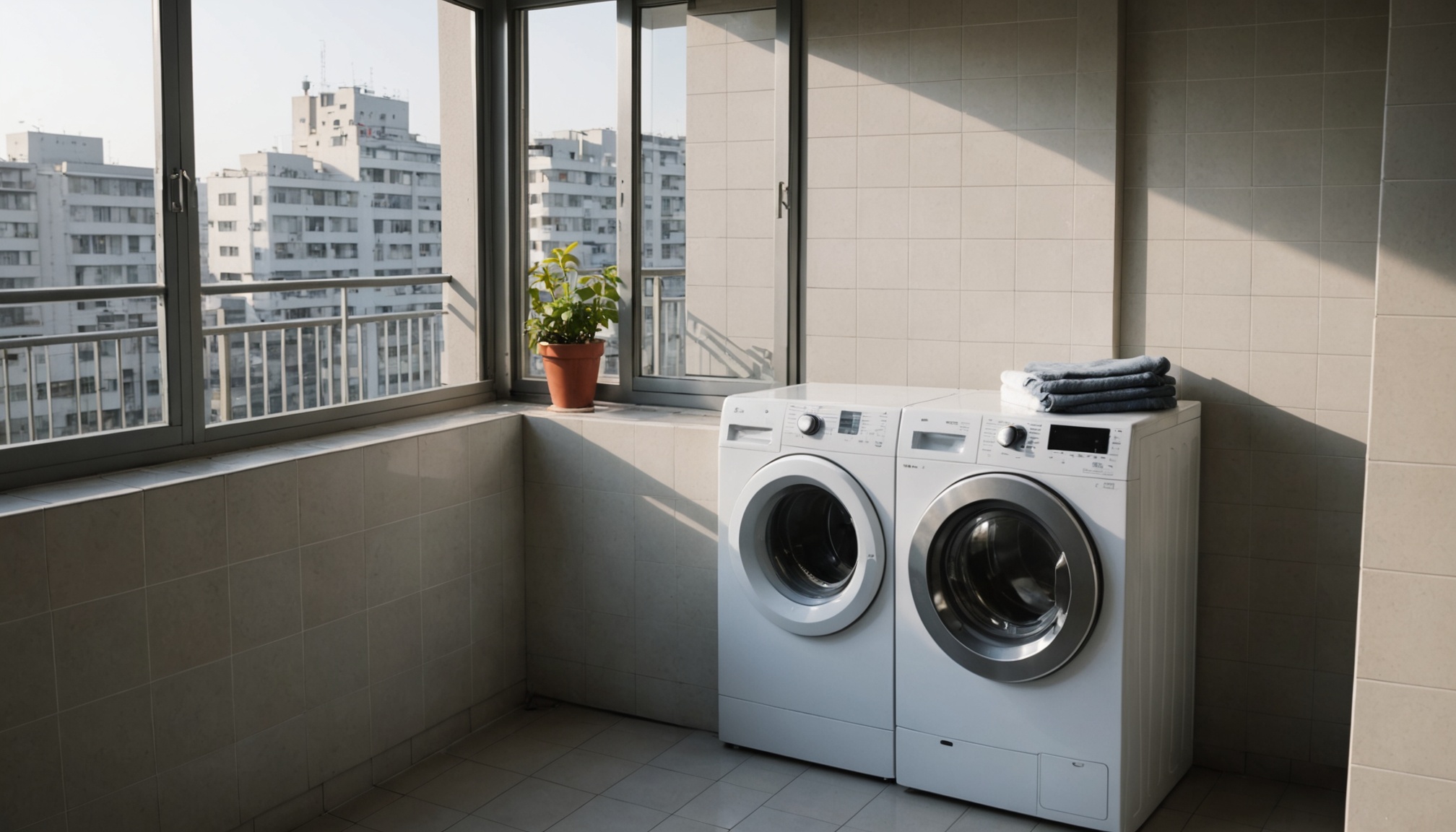
Reading a Washing Machine Energy Label: Annual Cost Math
The power and water figures on a washing machine label are per cycle. At five washes a week you multiply by 260. A 100Wh difference per cycle costs 5,580 won a year; 20 litres costs 6,396 won.
The power and water figures on a washing machine label are per cycle. At five washes a week you multiply by 260. A 100Wh difference per cycle costs 5,580 won a year; 20 litres costs 6,396 won.

Cross 450kWh in July or August and the standing charge on a Korean household electricity bill jumps from 1,600 won to 7,300 won. Here is how to derive an air conditioner's hourly draw from its CSPF rating and price it against the three summer tiers.
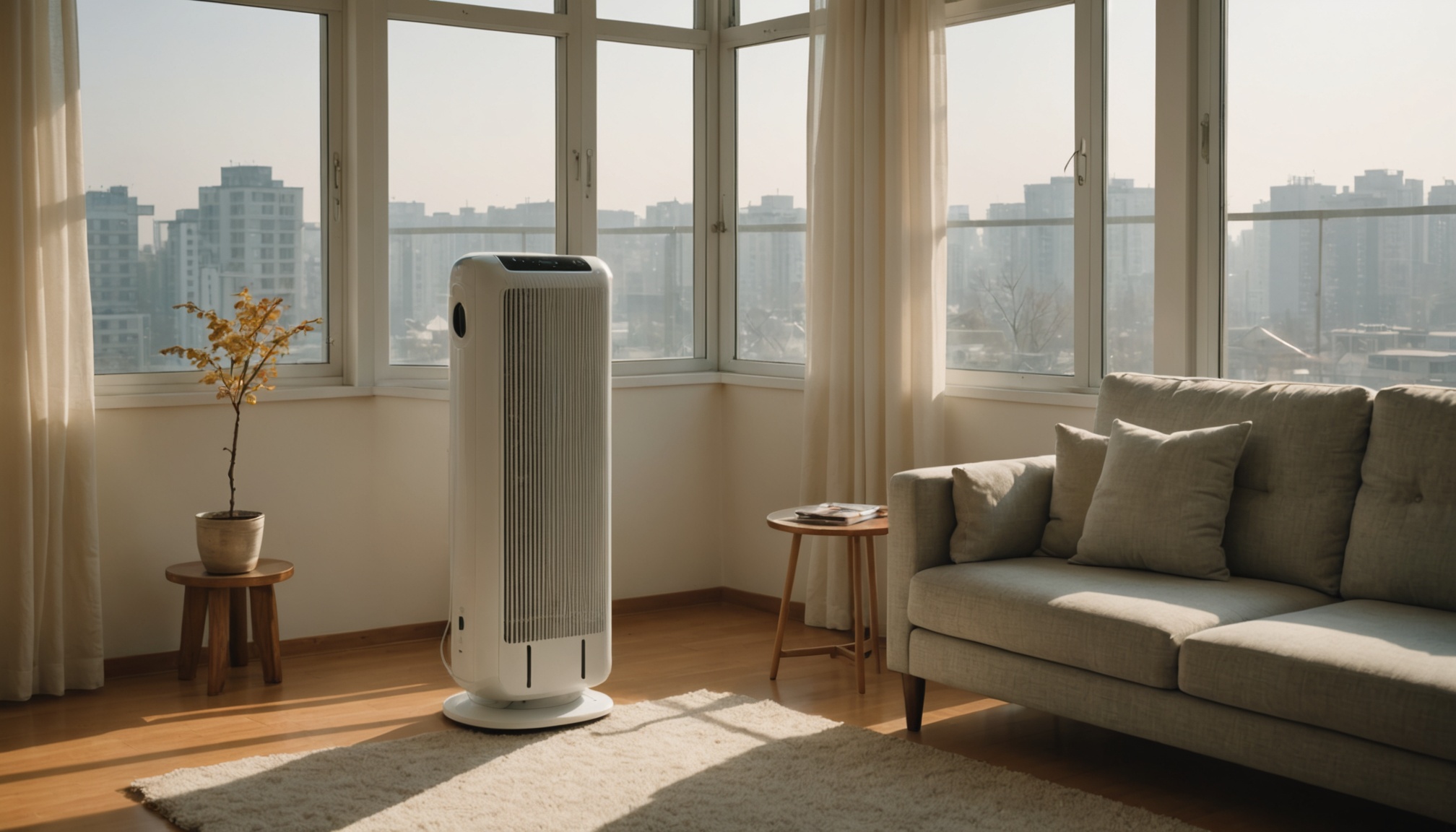
The '30-pyeong' label on a purifier is not your home's floor area — it is rated coverage derived from CADR. For the same 33㎡ living room, Korea's 130% rule asks for CADR 5.6 while US guidance asks for 10.1.
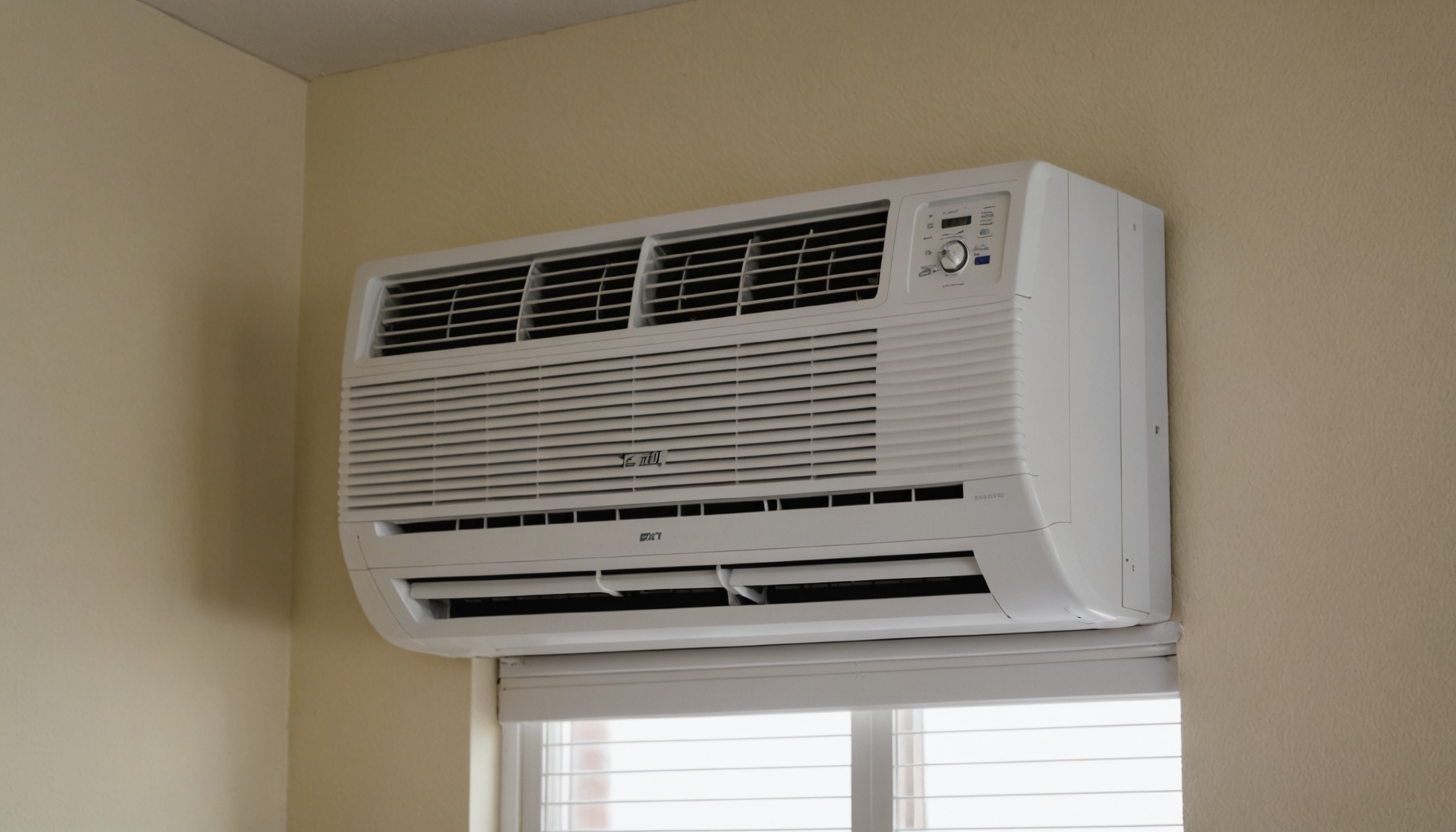
Air conditioners are chosen by cooling capacity in kW, not floor area. The Korean standard is 400W per pyeong, with a 1.3x correction for living rooms.
The industry rule of thumb puts burn-in at around 5,000 cumulative viewing hours. At eight hours a day that arrives in 1.7 years — before Korea's two-year panel warranty expires. Here is the arithmetic against warranties and public longevity tests.
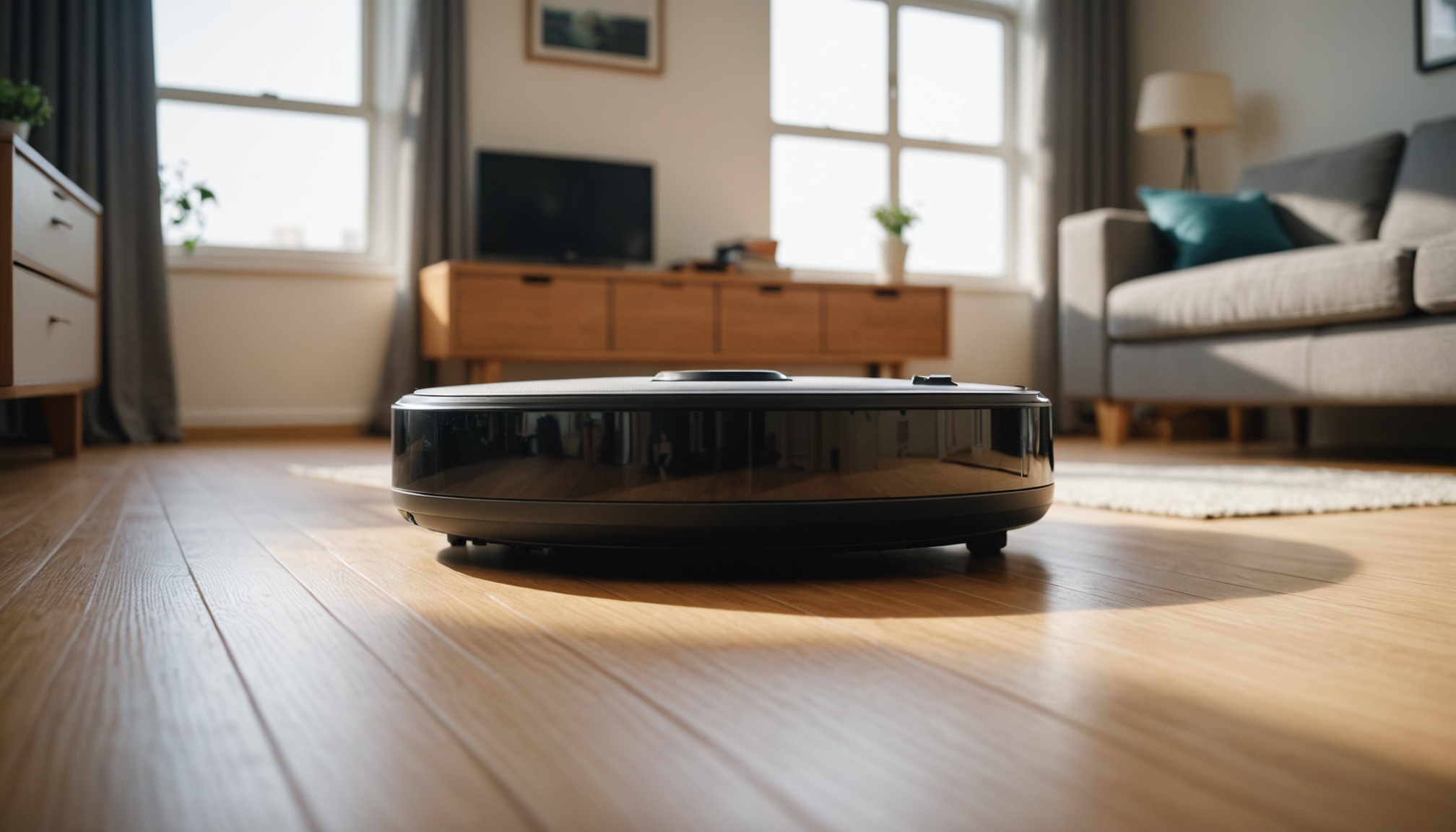
Robot vacuums split on four things: suction (Pa), navigation sensor, mopping style, and dock. Most homes are fine at 4,000Pa with LDS LiDAR; caked grime needs 2kg-plus rotating pressure.

A 6-place dishwasher washes one load of 6 place settings — divide by 3 for the right household size. This post covers dimensions and install conditions for countertop, freestanding, and built-in types, spray arm count as a washing-power indicator, and per-cycle electricity and water costs.
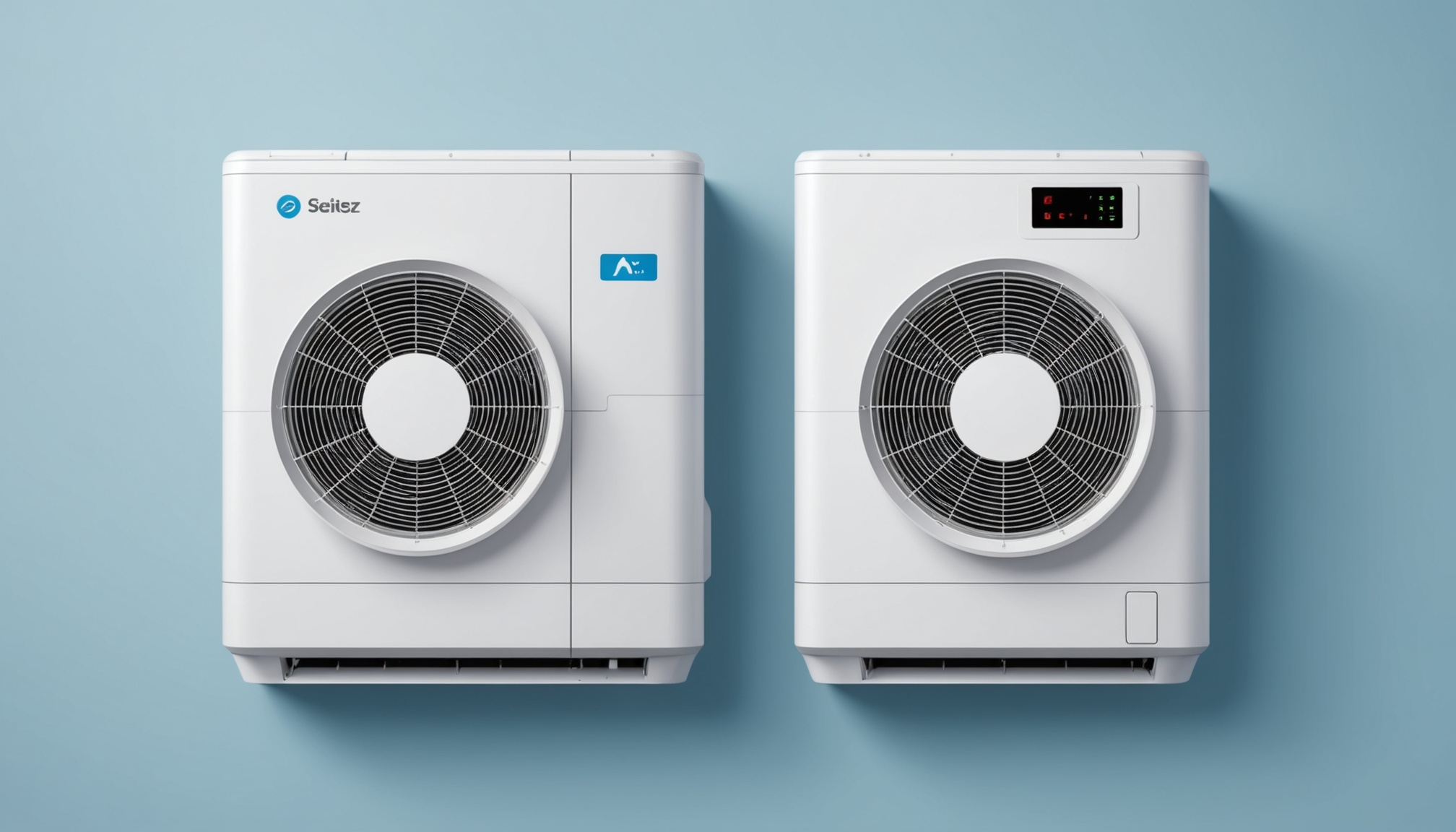
The inverter vs. non-inverter electricity bill gap comes from the compressor: one modulates output, the other just switches on and off. This post explains which structure loses under which usage pattern, covering spec-sheet reading and the basics of calculating your bill.

All-in-one washer-dryers lead with space efficiency; separate units lead with performance and flexibility. With summer appliance demand surging, this choice is not just preference — it requires evaluating installation conditions, cost structure, and usage patterns together.