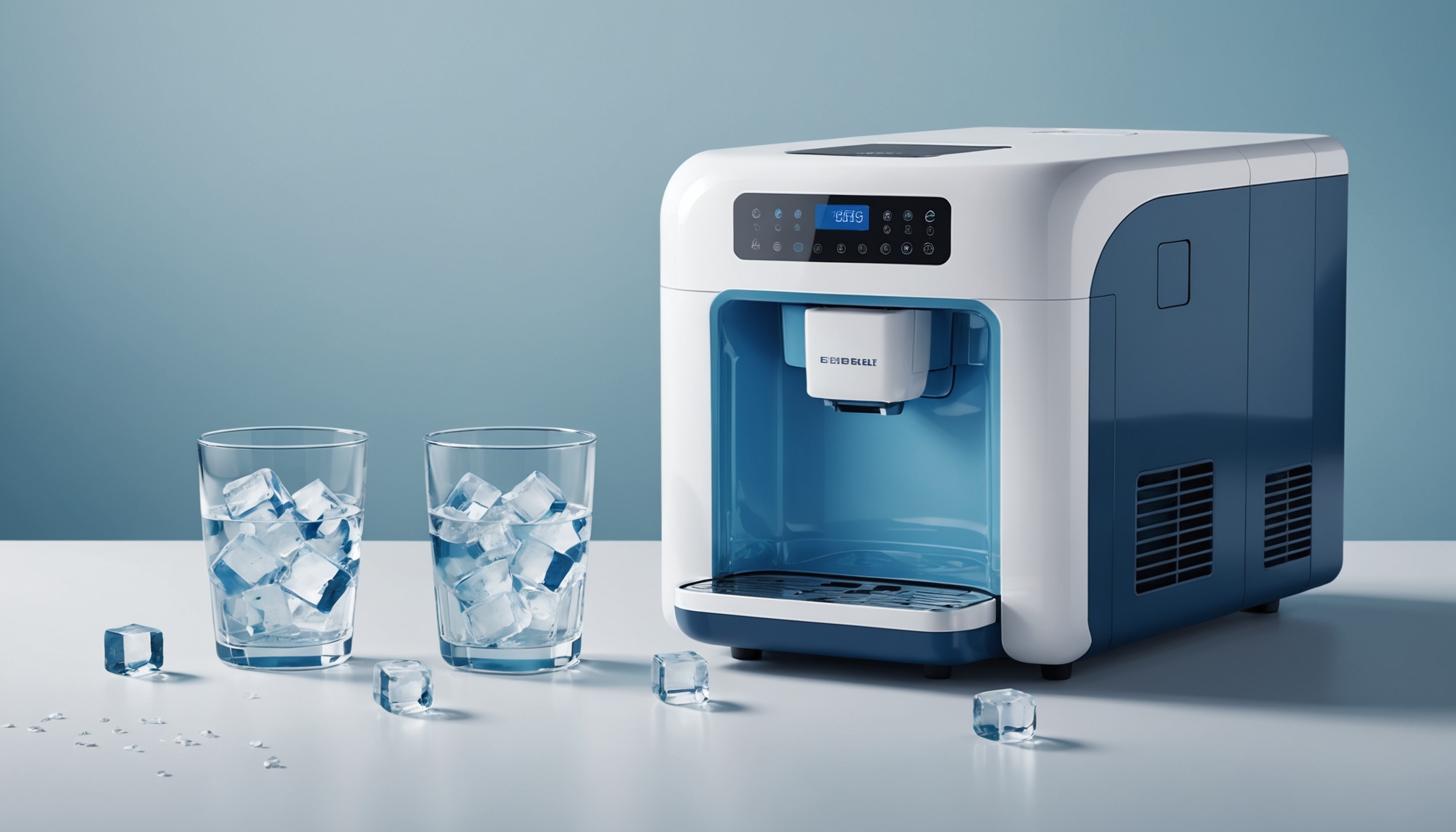
There is a device you can own for the cost of two or three months of water purifier rental fees. It is a home ice maker that churns out bite-sized ice cubes every 5–10 minutes. The specs look attractive, but there are real-world conditions that must be examined before buying.
Three Ways to Get Ice at Home — What Makes Each Different
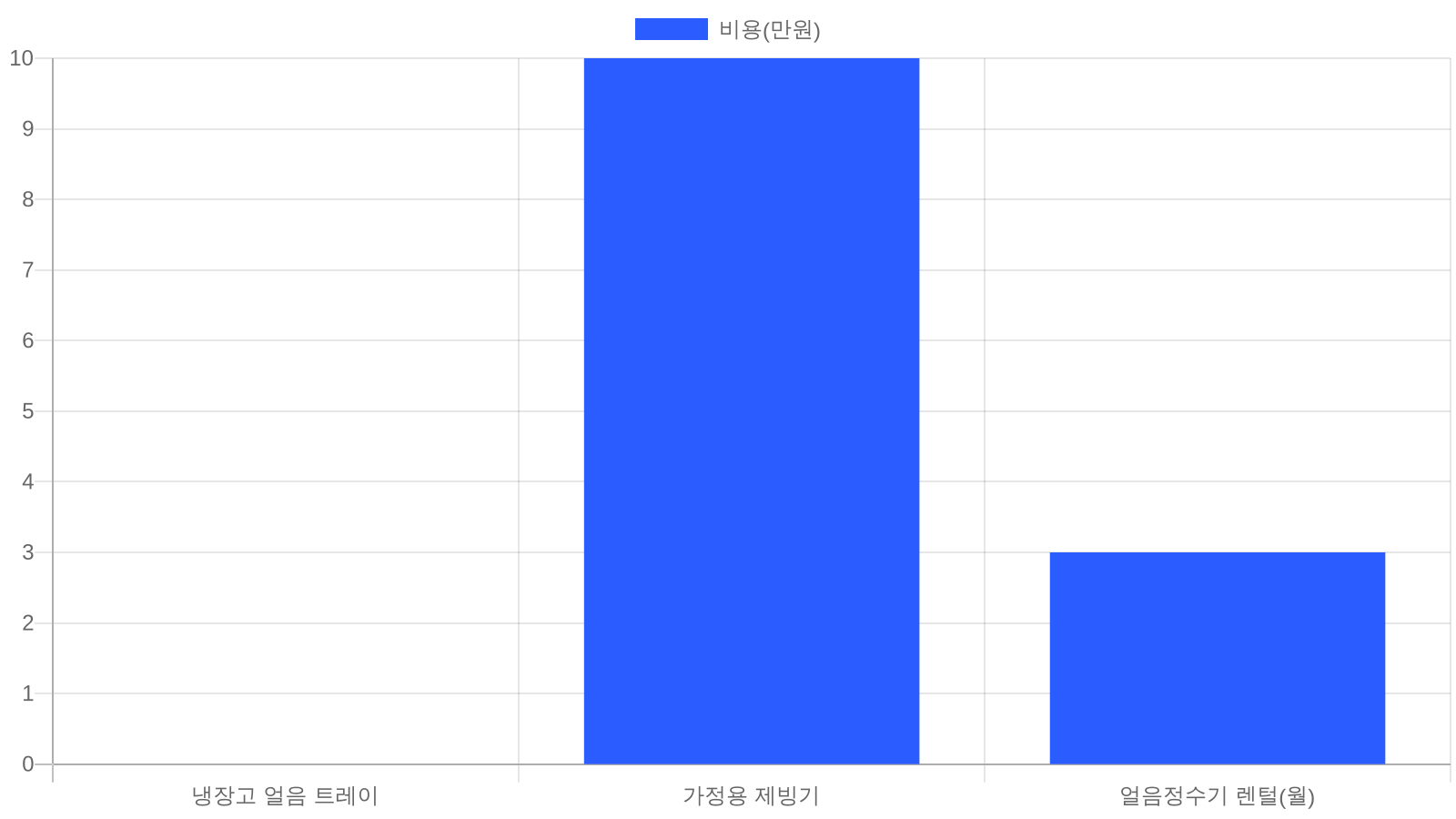
There are broadly three ways to get ice at home: refrigerator ice trays, a water purifier with ice function, and a dedicated ice maker. Each differs markedly in cost and convenience.
Refrigerator ice trays are the most economical since there is no added cost. However, according to IT Donga, they require frequent filling and emptying, which is cumbersome. You also have to wait for the ice to freeze completely. During peak summer demand, a single tray is exhausted almost immediately, making continuous supply virtually impossible.
A water purifier with ice is the most convenient option. It connects directly to the water line, requires no manual refilling, and dispenses ice on demand. However, according to IT Donga's reporting, many units cost upward of KRW 2 million, and even rental options generate monthly fees of tens of thousands of won. The cumulative expenditure over extended use is its decisive weakness.
| Method | Initial Cost | Convenience | Ongoing Cost | Ice Production Speed |
|---|---|---|---|---|
| Refrigerator tray | None | Low (manual management) | None | Several hours |
| Home ice maker | Under KRW 100K–200K range | Medium (manual water refill needed) | Electricity | Every 5–10 minutes |
| Water purifier with ice (rental) | Installation fee | High (direct water line connection) | Tens of thousands of KRW per month | Immediate |
Core Specs of Home Ice Makers: Practicality by the Numbers
The operating principle of a home ice maker is simple. Connect the unit to power and add water, and 6–8 bite-sized ice cubes are produced every 5–10 minutes. Based on publicly disclosed product specs, about an hour of operation fills the basket, and running the unit all day yields a total production of around 10 kg.
Applying these figures to daily life reveals solid practicality. Considering how much ice a family of four consumes on a summer day, a daily production capacity of 10 kg more than covers typical household demand. The 5–10 minute ice-making cycle is also overwhelmingly faster than refrigerator trays, which require a minimum of 2–3 hours.
The price positioning is also clear. As of 2026, home ice makers in the market are predominantly priced in the KRW 100,000–200,000 range, with some available for under KRW 100,000. According to IT Donga's reporting, this amounts to just two or three months of water purifier rental fees. On initial purchase cost alone, the competitive advantage is clear.
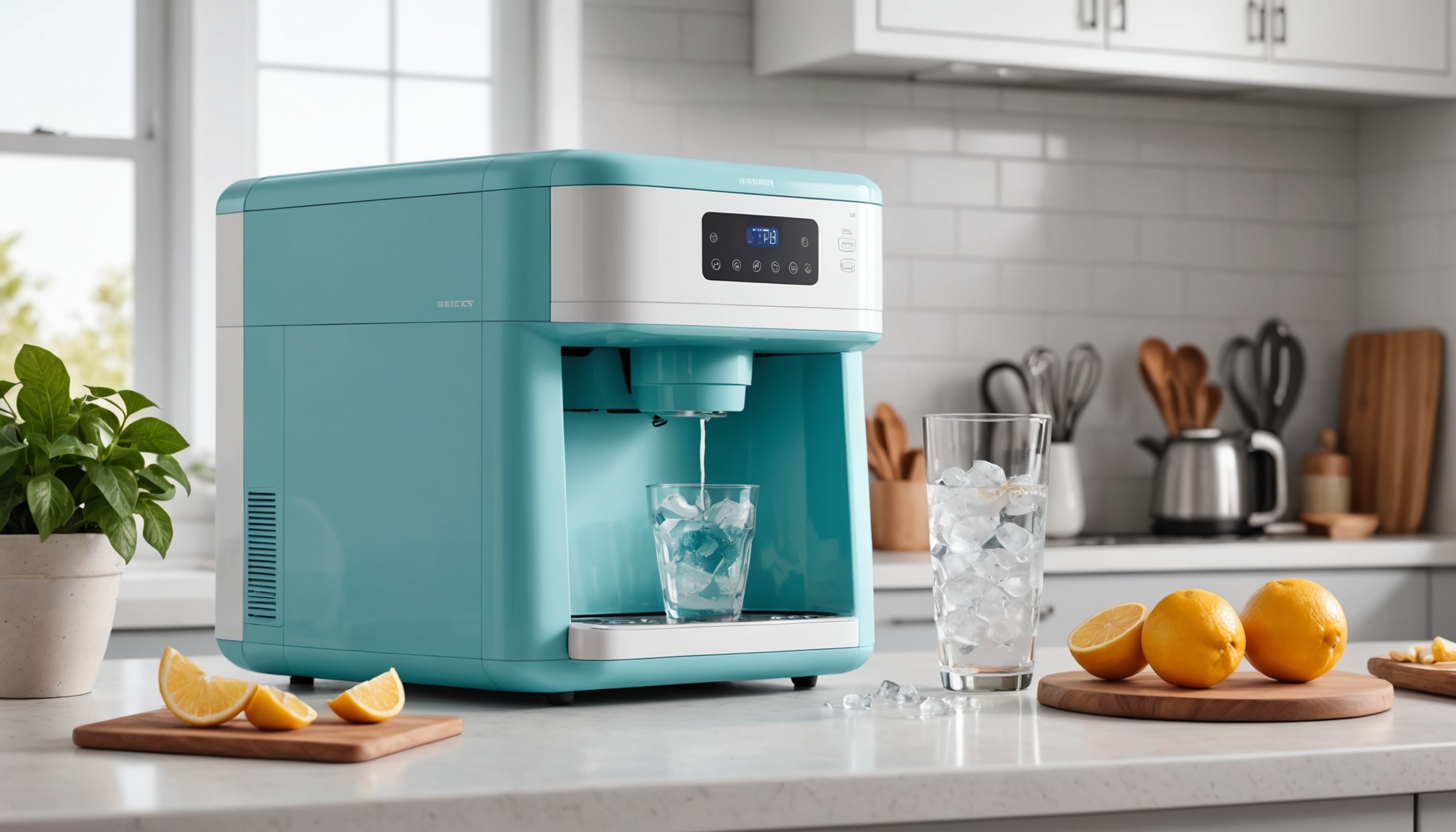
The real competitive edge of a home ice maker lies not in its speed or capacity, but in the certainty of ownership cost — the single fact that rental fees never accumulate is decisive for long-term users.
Easy-to-Miss Weaknesses: Water Refills and Hygiene Maintenance
The specs alone make it hard to fault, but home ice makers have structural limitations. The first issue to address is the obligation to refill water. Unlike a water purifier that connects directly to the water line, a standard home ice maker requires the user to supply water manually. Based on product specs, the water reservoir of a typical home ice maker holds only 1–2 liters. Depending on usage patterns, it is reasonable to assume you will need to refill at least once per day.
Some products support direct plumbing connections. However, according to IT Donga's analysis, these models come with a higher price tag along with greater complexity in initial installation and ongoing maintenance. The moment you opt for a direct plumbing connection, you dilute the home ice maker's biggest advantage — low entry cost and ease of use.
Hygiene management is also not something to overlook. Failure to clean the water reservoir regularly in a design where water pools can lead to water quality problems. Unlike a water purifier connected directly to the water line and filtered, a home ice maker requires the user to manage hygiene directly. This is a practical drawback in environments where busy single- or two-person households or those prone to neglecting maintenance are the norm.
- Under KRW 100K–200K at retail — roughly 2–3 months of water purifier rental costs
- Ice production every 5–10 minutes — overwhelmingly faster than refrigerator trays
- Daily maximum of approximately 10 kg — sufficient for household demand
- One-time purchase with no rental contract, ongoing costs fixed at electricity only
- Reservoir capacity of 1–2 liters — manual refill required at least once per day
- User-managed hygiene maintenance required (water quality care needed)
- Direct plumbing models cost more and add installation complexity
- No ice storage function — ice must be consumed before it melts
Who This Is Right For / Who Should Wait
This is right for: Households where ice demand spikes seasonally in summer, consumers who want to avoid a rental contract and settle costs upfront, and anyone who does not find a daily water refill particularly inconvenient. Households that already have a refrigerator can particularly benefit from using a dedicated ice maker as a supplement — purely for increasing ice supply without replacing existing appliances. The gap in practical value compared to a water purifier ice maker is clear from a price-to-use standpoint.
These people should wait: Single-person households who find daily water refills and periodic cleaning burdensome, or environments where a stable year-round ice supply is essential, may find that a water purifier rental is more convenient in the long run. If considering a home ice maker with direct plumbing support, the price and installation complexity rise, narrowing the cost difference with a water purifier rental — a factor worth keeping in mind. If diligent hygiene management is difficult in your environment, reconsidering the purchase is the wiser choice.