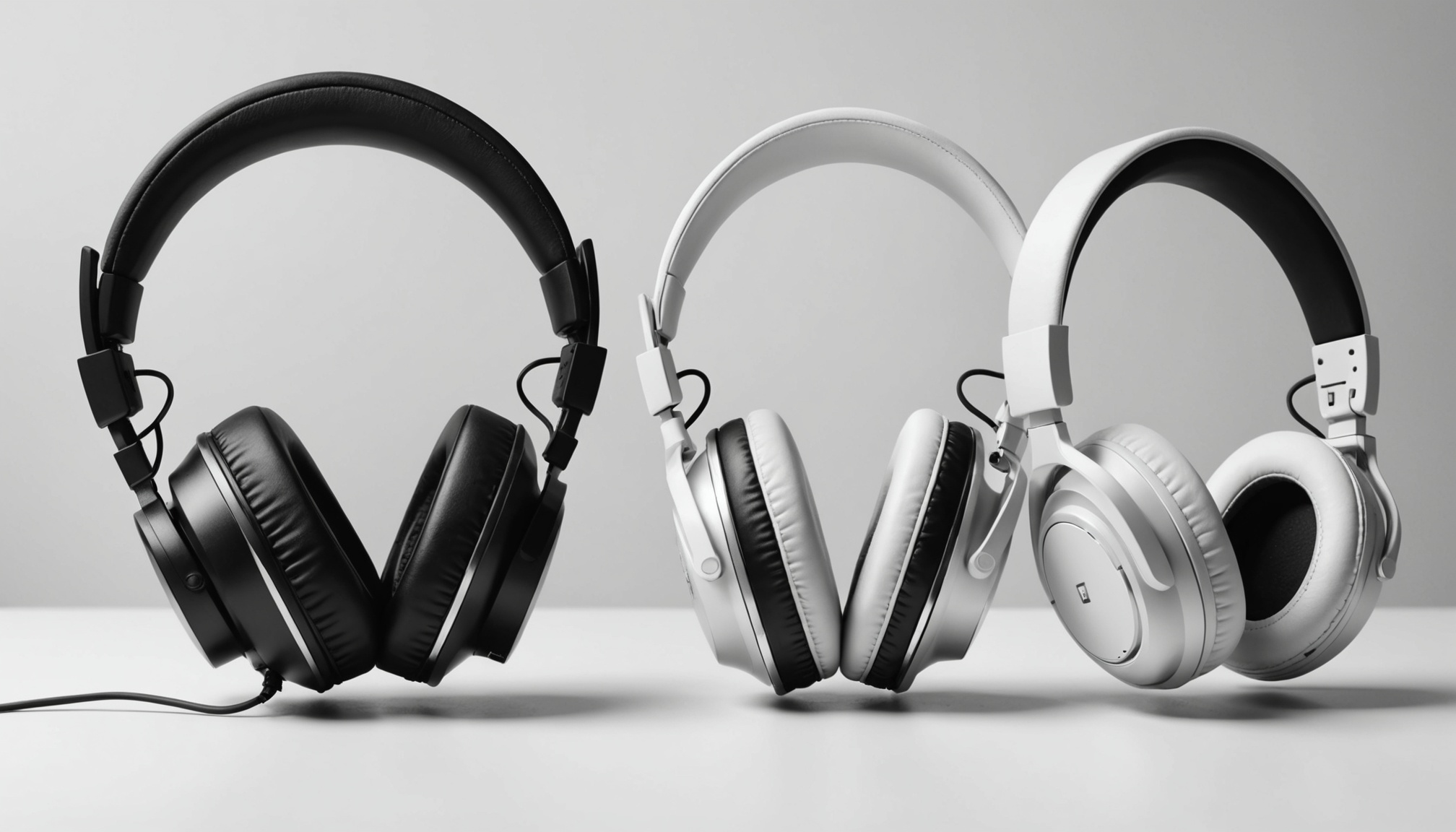
As Sony, Bose, and Apple continue to compete in the premium noise-canceling headphone market, all three brands are maintaining or refreshing their flagship lineups in 2026. Yet the most common mistake buyers make at the point of purchase is to get absorbed in spec comparisons while failing to assess their own usage patterns. Without first defining your intended use, no model will close the gap between expectations and reality.
First, Define the Moments When Noise Canceling Is 'Actually' Necessary
Active Noise Cancellation (ANC) is a technology that uses microphones to capture ambient noise in real time and generates inverse-phase sound waves to cancel it out. The underlying principle is the same regardless of brand. The key differences lie in how wide a frequency range can be processed, how fast the computation runs, and how well battery life and sound quality are preserved in the process. From a consumer perspective, you need to determine what environment you plan to use this technology in before anything else.
A subway commute dominated by low-frequency mechanical noise, an open office filled with a mix of mid-to-high-frequency human voices, and an airplane cabin with constant engine noise each impose different requirements on the ANC algorithm. This is why two products at the same price point can show dramatically different perceived performance in specific environments. Therefore, "where will I primarily use this" must be the first criterion for selecting a model.
ANC use cases for sleep and concentration have also grown rapidly in recent years. As highlighted by IT Donga in the case of sleep-tech startup Diviiz (dbvts), awareness that controlling your acoustic environment is directly tied to sleep quality has spread widely, and the market for headphones and earphones used as sleep aids is growing. This represents a paradigm shift — from devices simply for listening to music to tools for actively managing ambient noise in daily life.
For Sleep and Focus Use: Check for 'ANC + Binaural Sound' Support
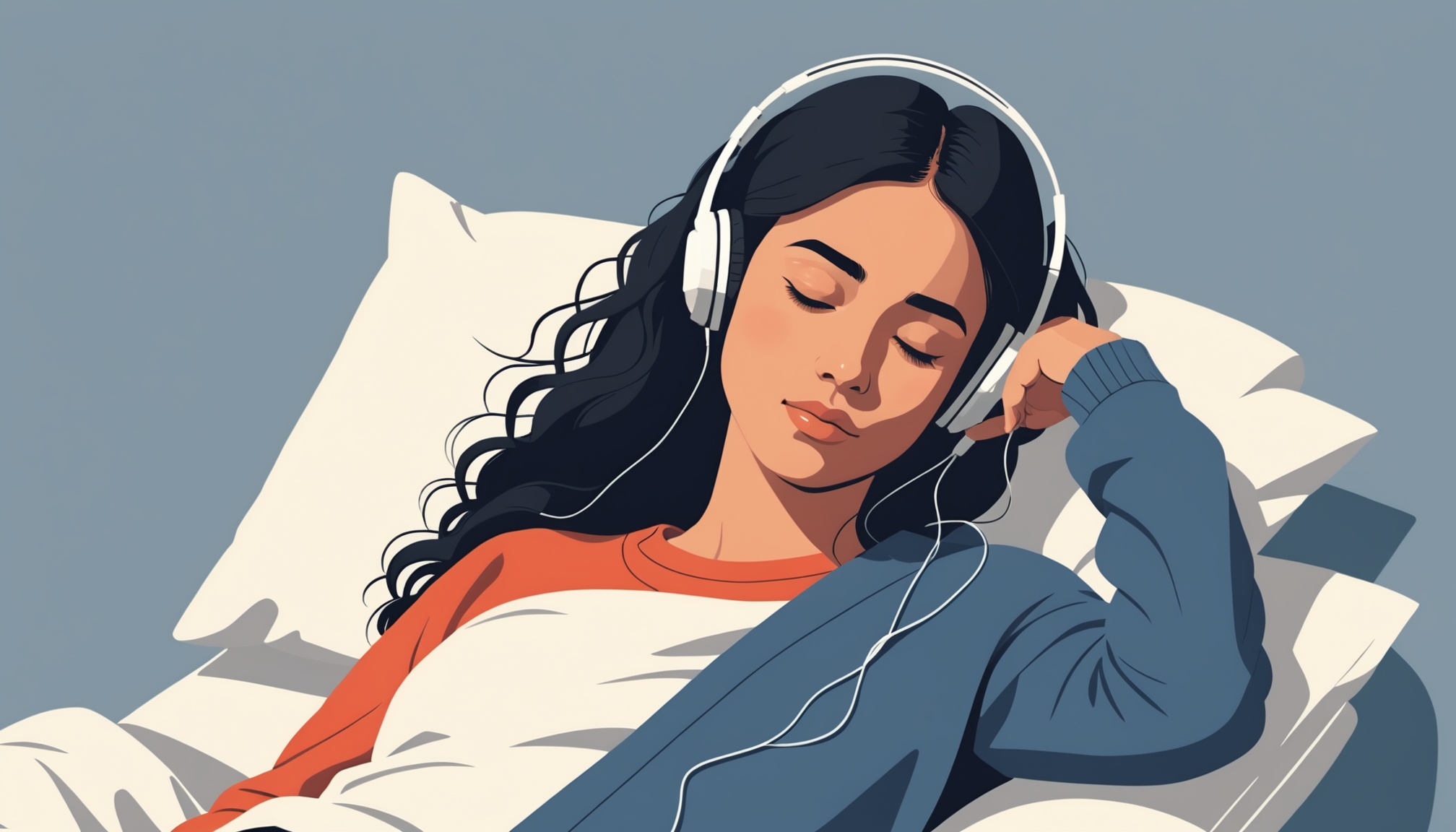
If you are choosing headphones for sleep or deep concentration, you need to look beyond basic ANC performance. According to IT Donga's reporting, market research firm Grand View Research projects the Sleep Tech market will grow from approximately $20 billion in 2023 to $47 billion by 2030. Driving that growth is demand for audio devices that integrate with wearables and smart home systems.
The "Dynamic Binaural Beats" technology being developed by Diviiz delivers slightly different frequencies to each ear based on heart rate variability (HRV) data to entrain brainwave patterns. Since some sleep apps already provide such features in conjunction with headphones, it is worth checking whether the headphones you plan to buy support integration with third-party sleep and meditation apps. Bluetooth codec latency also becomes relevant in this context. If the timing between audio and brainwave entrainment effects becomes misaligned, the intended result is diminished.
If you plan to wear headphones while sleeping, ear cup thickness, weight, and cushion material are just as important as specs. Among flagship premium headphones, some cause heat buildup around the ears or excessive clamping force during extended wear. These factors are difficult to judge from publicly disclosed specs alone, so trying the headphones for at least 15 minutes in a store is essential.
Pre-Purchase Checklist
Reviewing the items below before purchase reduces the risk of regret. This is especially important with premium models where price differences are significant — avoid paying for features you do not need.
| Item | Key Question | Notes |
|---|---|---|
| Primary use environment | Is your main use case subway, airplane, or office? | ANC characteristics differ by environment |
| Daily wear time | How many hours per day do you wear headphones on average? | Determines battery vs. comfort priority |
| Sleep/meditation integration | Do you plan to integrate with a sleep app or binaural content? | Check codec latency and app compatibility |
| Multipoint connection | Do you need simultaneous connection to smartphone, PC, and tablet? | Check number of supported devices and switching speed |
| Call quality | Do you frequently use the headphones for video calls or phone calls? | Microphone performance is rarely visible in specs |
| App ecosystem | Are you willing to manually adjust EQ and ANC levels? | Significant differences in companion app depth |
| Durability and warranty | Will you expose the headphones to everyday bag storage or rain? | Check water resistance rating and hinge durability |
The right noise-canceling headphone is not the most expensive one — it is the one that best understands your own noise environment.
Positioning of the Top 3 Premium Brands — Within What the Sources Allow

Sony, Bose, and Apple each lead with distinct strengths — audio tuning, ANC algorithm, and ecosystem integration respectively — and continue to divide the premium headphone market in 2026. However, because the source material reviewed for this article does not include specific spec figures for 2026 new models (battery life, ANC attenuation in dB, driver size, etc.), no numerical comparison table based on launch prices or manufacturer announcements is provided here. For numeric comparisons, checking each manufacturer's official product pages directly is the most accurate approach.
What can be meaningfully assessed are the positioning differences that matter in decision-making. Apple AirPods Max delivers unmatched software integration within the Apple device ecosystem — automatic switching, spatial audio, Find My — compared to other brands. However, this advantage loses most of its value outside the iPhone and Mac ecosystem. Sony and Bose offer detailed customization through dedicated apps in Android and Windows environments, making them advantageous for platform-neutral users. As such, identifying your own device ecosystem before looking at hardware specs is the rational starting point for choosing a brand.
Who Should Buy Now / Who Should Wait
- Travel frequently by air or subway and need immediate noise isolation
- Work from home and need to block background noise comparable to an open office
- Want to integrate with sleep-tech apps and make acoustic environment management a daily habit
- Primarily use Apple devices and can fully leverage the AirPods Max ecosystem integration value
- Do not currently own ANC headphones or use a model more than 3 years old — the generational gap in algorithms is large enough to feel in practice
- Know the new model release schedule for each brand and the current model is less than a year old — price reductions or clearance discounts concentrate just before successor launches
- Are hoping for hardware-level integration of binaural beat or HRV-linked sleep technology — this area is still in its early ecosystem-building phase, led by startups; major brand integration is still in early stages
- Primarily listen to music through indoor speakers and expect ANC use fewer than 5 times per month — mid-range wireless headphones under KRW 200,000 can fully meet the need